

Benefits of US Manufactured Supplements
Table of Contents
- Why US Manufactured Supplements Matter for Your Health
- FDA Supplement Regulations and Manufacturing Oversight
- Quality Control and Good Manufacturing Practices
- Third-Party Supplement Testing and Certifications
- How to Read Supplement Labels and Verify Authenticity
- Supply Chain Transparency and Ingredient Sourcing
- Real Results: What US Manufacturing Means for You
- Conclusion
Last Updated: August 22, 2026
Why US Manufactured Supplements Matter for Your Health
When you're investing in your health, the source of your supplements matters more than most people realize. US manufactured supplements operate under a framework of oversight, quality standards, and transparency that directly impacts what ends up in your body. This guide from J. Paulo breaks down why choosing US manufactured supplements isn't just a preference, it's a meaningful decision for your wellness.

The difference between supplements made domestically versus internationally extends far beyond marketing claims. It touches on regulatory compliance, manufacturing consistency, ingredient sourcing, and the ability to verify what's actually in each bottle. For health-conscious adults seeking real results without fillers or questionable additives, understanding these differences changes how you evaluate your options.
At J. Paulo, we've seen firsthand how customers respond when they understand what goes into producing supplements domestically. They recognize the value immediately. They feel the difference. That's because US manufactured supplements give you access to products built on a foundation of accountability that's harder to verify with international alternatives.
FDA Supplement Regulations and Manufacturing Oversight
The FDA doesn't regulate dietary supplements the same way it regulates pharmaceuticals, but that doesn't mean the space is unregulated. Manufacturers of US manufactured supplements must comply with the Dietary Supplement Health and Education Act (DSHEA) and follow Current Good Manufacturing Practice (CGMP) standards (the FDA). These rules establish baseline requirements for how supplements are produced, labeled, and distributed.
Under CGMP, manufacturers must document their processes, test their ingredients, and maintain records that demonstrate compliance (the FDA). The FDA can inspect facilities, request documentation, and take action against products that contain unlisted ingredients, make false claims, or pose safety risks. When a supplement causes an adverse event, manufacturers are required to report it (the FDA). This creates a traceable record that protects consumers and holds companies accountable.
The key distinction: US manufactured supplements operate within a system where the manufacturer bears responsibility for safety and accuracy. If something goes wrong, contamination, mislabeling, undisclosed ingredients, there's a regulatory pathway to address it. International manufacturers operate under different regulatory frameworks, and enforcement across borders is significantly more challenging.
For consumers, this means choosing US manufactured supplements gives you the benefit of regulatory oversight without the burden of verifying compliance yourself. The system isn't perfect, but it's designed to catch problems before they reach your medicine cabinet.
Quality Control and Good Manufacturing Practices
Quality control in supplement manufacturing isn't optional, it's a legal requirement under CGMP. US manufacturers must establish procedures to ensure that every batch meets specifications for identity, purity, strength, and composition. This means testing raw materials before they enter production, monitoring the manufacturing process itself, and testing finished products before they're packaged and shipped.
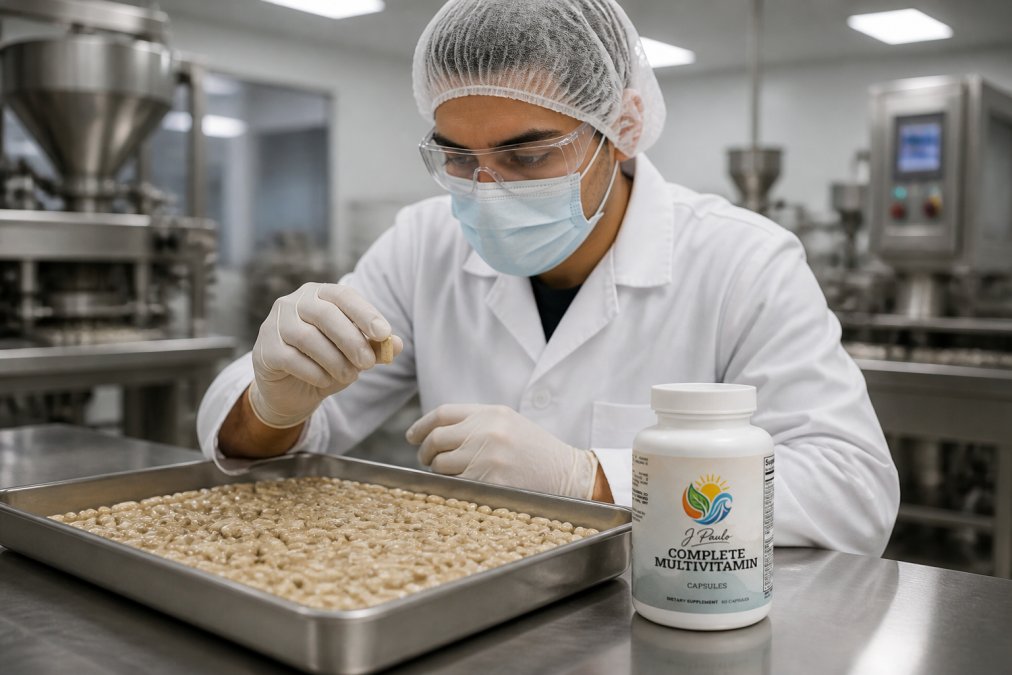
Good Manufacturing Practices require documented procedures for everything from employee training to equipment maintenance to environmental controls. Manufacturers must establish specifications for each ingredient, verify that suppliers meet those specifications, and maintain records proving it. When something doesn't meet standards, there's a documented process for investigation and corrective action.
The difference between a facility that meets CGMP and one that doesn't shows up in product consistency. Batches made under proper quality control deliver the same potency, purity, and composition. Batches made without these controls can vary wildly, one bottle might contain what's on the label, the next might contain significantly less, or contain contaminants that weren't disclosed.
J. Paulo's commitment to rigorously tested supplements reflects this reality. Every batch is tested to verify that what's on the label is actually in the bottle. No cheap fillers. No weird additives. Just the ingredients you're paying for, in the amounts specified. That consistency is only possible when quality control is built into every step of production.

Third-Party Supplement Testing and Certifications
Beyond manufacturer testing, third-party testing adds an independent verification layer. Organizations like USP (United States Pharmacopeia), NSF International, and Informed Choice conduct independent testing of finished supplements to verify that they contain what the label claims and don't contain harmful contaminants.
These certifications matter because they're conducted by organizations with no financial stake in the product's success. A manufacturer has incentive to pass their own tests. A third party has only incentive to be accurate. When a supplement carries a USP, NSF, or Informed Choice certification mark, it means an independent lab verified the product's contents and manufacturing standards.
Third-party testing typically checks for:
- Ingredient identity and potency
- Absence of heavy metals, microbial contaminants, and pesticide residues
- Accurate label claims
- Manufacturing facility compliance with standards
Many US manufactured supplements carry these certifications because they're part of the premium positioning. Budget supplements often skip third-party testing because the cost reduces profit margins. When you see a certification mark on a bottle, you're looking at a product that passed scrutiny beyond what the law requires.
For consumers, third-party certifications are one of the most reliable signals of quality. They're harder to fake than marketing claims, and they're issued by organizations with established reputations to protect. If a supplement carries a USP or NSF mark, the manufacturer paid for that verification and is willing to stand behind it publicly.
How to Read Supplement Labels and Verify Authenticity
The supplement label tells you everything you need to know if you know how to read it. The front of the label makes claims. The back, the Supplement Facts panel, is where the actual information lives.
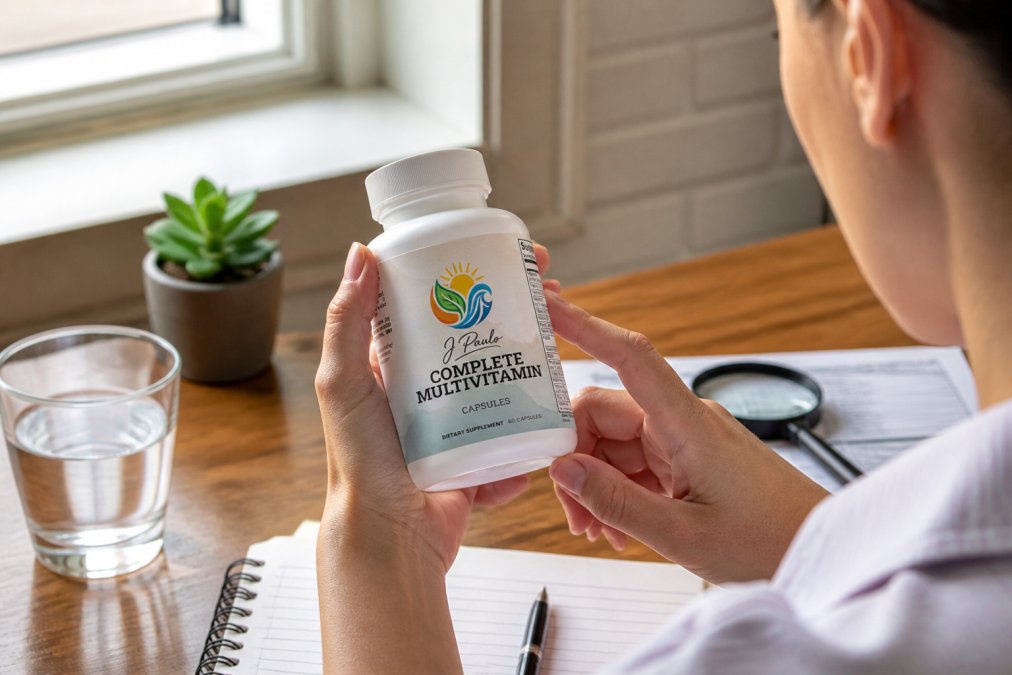
The Supplement Facts panel shows the serving size, the amount of each active ingredient per serving, and the percent Daily Value where applicable. Below that is the ingredient list, which includes both active ingredients and inactive ingredients (fillers, binders, capsule material). This is where you spot cheap fillers or additives you want to avoid.
Look for these signals of quality:
- Ingredient transparency: Every ingredient is listed with its amount. Proprietary blends that hide ingredient amounts are a red flag.
- Minimal inactive ingredients: Fillers like microcrystalline cellulose or maltodextrin are common, but excessive fillers suggest the manufacturer is cutting corners.
- Third-party certification marks: USP, NSF, or Informed Choice marks appear on the label, not just in marketing materials.
- Manufacturing location: "Made in the USA" or "Manufactured in the USA" indicates domestic production. "Distributed by" is different, it doesn't guarantee where it was made.
- Lot number and expiration date: These indicate the product was manufactured with traceability, not just packaged from bulk inventory.
Verify authenticity by checking the manufacturer's website. Most reputable US manufacturers list their products and provide batch-specific information. Some brands offer QR codes on the label that link to third-party test results. If you can't find the product on the manufacturer's official site, or if the label looks cheap or poorly printed, that's a signal to move on.
Supply Chain Transparency and Ingredient Sourcing
Where ingredients come from matters. US manufactured supplements use ingredients sourced from suppliers that meet CGMP standards and provide certificates of analysis proving purity and identity. This creates a traceable supply chain where you can follow ingredients from supplier to manufacturer to finished product.
Domestic sourcing, or at least sourcing from suppliers that can be audited and verified, reduces the risk of contamination or mislabeling. When ingredients come from overseas suppliers, verification becomes more difficult. Customs clearance, language barriers, and distance make it harder to audit suppliers and respond quickly if problems emerge.
Supply chain reliability also affects availability and lead times. US manufacturers can typically source ingredients domestically or from verified international suppliers with shorter lead times. This means they're less vulnerable to shipping delays, customs holds, or supply disruptions that plague international sourcing.
For supplements that support weight management, appetite balance, or digestive health, categories where J. Paulo specializes, ingredient consistency is critical. A probiotic strain that loses viability during a long international shipment delivers less benefit. An appetite-control ingredient that degrades due to humidity during transport works less effectively. US manufacturing and supply chain management minimize these risks.
Transparency in sourcing also matters for intellectual property protection. When a supplement formula is developed domestically and manufactured domestically, the company retains greater control over the formula and can protect proprietary blends more effectively. International manufacturing creates more opportunities for formulas to be copied or modified without authorization.
Real Results: What US Manufacturing Means for You
The practical difference between choosing US manufactured supplements and cheaper alternatives shows up in how you feel. Consistent potency means consistent results. No fillers means you're not paying for inactive ingredients. Verified purity means you're getting what you paid for.
Consider someone seeking appetite balance and weight support. They try a budget supplement made internationally, maybe it works for the first week, maybe it doesn't. Potency varies batch to batch. They give up, convinced that supplements don't work. Then they try a US manufactured alternative from J. Paulo that's been rigorously tested for consistency. Same active ingredient, but verified potency and purity. They feel the difference.
Or someone with digestive discomfort looking for probiotic support. A supplement with bacterial strains that lost viability during international shipping delivers minimal benefit. A US manufactured probiotic with proper handling and verification shows real results because the organisms are actually alive and present in the amounts claimed.
The premium positioning of US manufactured supplements reflects real differences in production cost, testing, and oversight. Domestic labor, CGMP compliance, third-party testing, and supply chain management cost more than cutting corners. When you pay more for US manufactured supplements, you're paying for consistency, accountability, and the ability to verify what you're getting.
J. Paulo Complete Multivitamin represents this commitment. One capsule delivers complete coverage with a full-spectrum daily formula. It's manufactured domestically, rigorously tested, and formulated without cheap fillers. Customers report feeling the difference because the product delivers what it promises, consistently.
The same applies across J. Paulo's line, from digestive support with J. Paulo Gut Health & Digestive Support to protein isolates and recovery formulas. Every product reflects the same commitment to US manufacturing, rigorous testing, and real results you can feel.

Conclusion
Choosing US manufactured supplements means choosing accountability, consistency, and transparency. It means your supplements are made under regulatory oversight, tested for purity and potency, and sourced through supply chains you can verify. It means the company manufacturing your supplements has skin in the game, they're operating in a system where safety matters and problems get addressed.
The premium price of US manufactured supplements reflects real differences in production, testing, and oversight. It's not markup, it's the cost of doing things right. When you're investing in your health, that investment deserves to be built on a foundation of quality and accountability.
At J. Paulo, we've built our entire approach around this principle. Our US manufactured supplements are rigorously tested, free from cheap fillers and weird additives, and formulated to deliver real results you can feel. Whether you're seeking appetite balance, digestive support, or overall wellness optimization, J. Paulo delivers premium quality with exclusive pricing that makes superior health accessible. Start with J. Paulo Complete Multivitamin and experience the difference that US manufacturing, rigorous testing, and real accountability actually make in how you feel.
Frequently Asked Questions
Q: Are supplements made in the US safer than imported ones?
A: US manufactured supplements are produced under stricter FDA oversight and domestic regulatory compliance requirements. Domestic facilities must follow cGMP standards, which mandate consistent quality control, proper labeling, and ingredient verification. Imported supplements may face longer supply chains and less rigorous inspection protocols. This doesn't mean all imported supplements are unsafe, but US manufacturing adds an extra layer of regulatory accountability and traceability that protects consumer safety.
Q: What does 'Made in the USA' mean for supplement quality control?
A: US manufactured supplements must comply with FDA regulations and current Good Manufacturing Practices (cGMP), which establish strict standards for facility cleanliness, equipment maintenance, and ingredient handling. Manufacturers must document every step of production, maintain quality assurance records, and ensure products meet label claims. This means consistent potency, accurate ingredient lists, and reduced risk of contamination. J. Paulo's US-manufactured formulas undergo rigorous testing to verify that what's on the label matches what's in the bottle, giving you confidence in every dose.
Q: How can I verify the quality of my wellness supplements?
A: Look for third-party testing certifications like USP, NSF, or Informed Choice on the label. Check the supplement facts panel for complete ingredient disclosure, including amounts and sources. Research the manufacturer's cGMP compliance status and facility certifications. Read labels for allergen warnings and manufacturing dates. Reputable brands like J. Paulo provide transparent sourcing information. Ask yourself: does the company disclose where ingredients come from? Do they offer customer support? Can you contact them with questions? Quality manufacturers stand behind their products with evidence, not just marketing claims.
Q: What testing or certifications prove a supplement actually works better?
A: Third-party testing certifications verify purity, potency, and safety, not efficacy claims. USP (United States Pharmacopeia) and NSF certifications confirm that products contain the ingredients listed at the claimed amounts and are free from contaminants. Informed Choice certification verifies products are free from banned substances. However, efficacy depends on the formulation itself, ingredient quality, and bioavailability. US manufacturers like J. Paulo invest in better-quality standardized extracts and clinically studied ingredient ratios, which improve effectiveness. Combined with rigorous testing and transparent labeling, these factors explain why premium US-made supplements deliver results you can actually feel.
This article was written using GrandRanker