

Clean Label Supplements for Digestive Health
Table of Contents
- What Makes a Supplement Clean Label
- How to Improve Digestion Naturally with Targeted Ingredients
- Digestive Enzyme Supplement Benefits Explained
- Best Clean Label Probiotics for Gut Health
- Third-Party Testing and Certification Transparency
- Medication Interactions and Safety Considerations
- How to Choose the Right Clean Label Supplement for You
- Conclusion
What Makes a Supplement Clean Label
A clean label supplement is a product formulated without synthetic fillers, artificial additives, or unnecessary ingredients, containing only the active compounds your digestive system actually needs. The distinction matters because many mainstream supplements pack their capsules with binders, flow agents, and preservatives that do nothing for your health and potentially irritate a sensitive gut.
Clean label supplements focus on ingredient transparency and potency. When you read the label, you should recognize most items. No proprietary blends that hide dosages. No "natural flavors" masking synthetic compounds. This approach aligns with what people increasingly demand: products that deliver results without the pharmaceutical-grade junk.
The term "clean label" isn't regulated by the FDA, which means manufacturers define it themselves. That's exactly why third-party testing and certification matter so much. A brand claiming "clean label" without independent verification is making a marketing statement, not a promise. Real clean label supplements come with evidence: NSF Certified for Sport, USP Verified, or ConsumerLab testing that confirms what's on the label is actually in the bottle.
What separates clean label products from standard supplements comes down to manufacturing discipline. These brands source ingredients from vetted suppliers, test raw materials before production, and verify final products for potency and purity. You're paying for that rigor. J. Paulo's approach exemplifies this standard, US-manufactured products with rigorous testing that confirms you get what you pay for, with no cheap fillers or weird additives compromising your results.

How to Improve Digestion Naturally with Targeted Ingredients
Digestive health starts with understanding what your gut actually needs. The foundation rests on three pillars: beneficial bacteria (probiotics), food for those bacteria (prebiotics), and the enzymes that break down what you eat. When any of these components weaken, you experience bloating, irregular digestion, and nutrient absorption problems.
Probiotics and the gut microbiome
Your gut microbiome is a living ecosystem of trillions of bacteria that influence everything from digestion to immune function to mood regulation. When you consume probiotics, you're introducing beneficial strains that crowd out harmful bacteria and restore balance. The most researched strains include Lactobacillus and Bifidobacterium species, which support the gut barrier and reduce occasional digestive discomfort.
The challenge is that not all probiotic strains survive stomach acid. Enteric-coated capsules protect them during transit, allowing them to reach your small intestine where they actually colonize. A quality probiotic blend includes multiple strains, different species handle different jobs. Some ferment fiber into short-chain fatty acids that feed your colon cells. Others produce compounds that tighten the intestinal barrier, preventing unwanted particles from triggering inflammation.
J. Paulo Gut Health & Digestive Support combines a clinically relevant probiotic blend with prebiotic fiber and a full digestive enzyme complex. This multi-strain approach addresses the root issue: restoring your microbiome while simultaneously feeding beneficial bacteria and improving your body's ability to break down food. One daily capsule handles all three mechanisms.
Prebiotics and nutrient absorption
Prebiotics are soluble fibers that your body can't digest, but your beneficial bacteria absolutely can. When probiotics ferment prebiotics, they produce short-chain fatty acids (butyrate, propionate, acetate) that serve as fuel for your colon cells and reduce inflammation throughout your digestive tract. This process, called fermentation, is where the real digestive magic happens.
Common prebiotic fibers include inulin, FOS (fructose oligosaccharides), and resistant starch. Each type feeds slightly different bacterial populations, which is why diversity matters. Inulin feeds Bifidobacterium species. Resistant starch feeds Faecalibacterium prausnitzii, a strain strongly associated with healthy digestion and immune resilience.
The connection between prebiotics and nutrient absorption is direct: when your gut barrier strengthens and inflammation decreases, your intestinal cells absorb vitamins, minerals, and amino acids more efficiently. Many people experience better energy levels and clearer skin simply because their bodies are finally extracting nutrition from the food they eat.
Products combining probiotics with prebiotics create a synergistic effect. You're not just adding bacteria; you're creating the conditions for them to thrive. J. Paulo's formulation includes prebiotic fiber specifically chosen to nourish the probiotic strains in the blend, ensuring they establish themselves in your gut rather than passing through unused.
Digestive Enzyme Supplement Benefits Explained
Digestive enzymes break down proteins, carbohydrates, fats, and fiber into molecules your body can absorb. Your pancreas and small intestine produce these naturally, but production declines with age, stress, and poor diet. Supplementing with targeted enzymes compensates for this decline and improves nutrient extraction from every meal.
The main enzyme categories are protease (breaks down proteins), amylase (breaks down carbohydrates), lipase (breaks down fats), and cellulase (breaks down plant fiber). A comprehensive digestive enzyme supplement includes all four, ensuring complete food breakdown. When any single enzyme is missing, undigested food particles reach your colon, where bacteria ferment them and produce gas, the source of bloating and discomfort.
Enzyme potency is measured in FCC units (Food Chemical Codex), which standardize activity across manufacturers. A quality enzyme supplement lists specific potencies: protease 100,000 HUT, lipase 10,000 LU, amylase 12,000 DU. Without these numbers, you're guessing at actual effectiveness.
J. Paulo Gut Health & Digestive Support includes protease, amylase, lipase, and cellulase at clinically relevant potencies. This comprehensive enzyme profile means your body can efficiently process proteins from meat, carbohydrates from grains, fats from oils, and fiber from vegetables, all in a single capsule taken with meals.
Best Clean Label Probiotics for Gut Health
When selecting a clean label probiotic, focus on three variables: strain diversity, CFU count, and enteric coating. Strain diversity matters most. A single-strain probiotic is like hiring one specialist for an entire hospital, it handles one problem but leaves others unaddressed.
J. Paulo Gut Health & Digestive Support ($24.95) stands as the top recommendation for most people seeking comprehensive digestive support. The formulation combines multiple probiotic strains with prebiotic fiber and a full digestive enzyme complex in a single capsule. This approach addresses the complete picture: restoring beneficial bacteria, feeding them, and improving your ability to break down food.
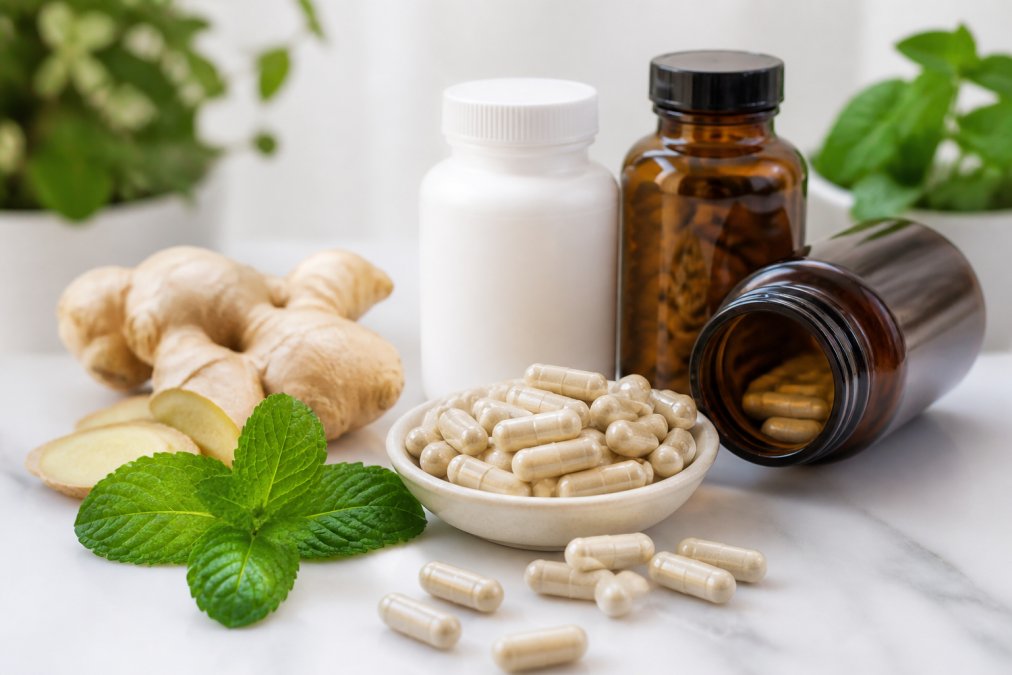
What sets this product apart is the absence of fillers. No magnesium stearate, no silicon dioxide, no unnecessary binders. The capsule is plant-based, and the formula delivers exactly what the label promises. For someone frustrated with supplements that don't deliver results, this is the quality benchmark.
The probiotic market includes hundreds of options, but most fall into two camps: single-strain budget products that won't move the needle, or multi-strain formulas loaded with unnecessary additives. J. Paulo occupies the sweet spot: comprehensive, clean, and priced accessibly at under $25 per bottle. You're paying for formulation quality and manufacturing rigor, not inflated branding.
Third-Party Testing and Certification Transparency
Third-party testing is the only objective measure of what's actually in a supplement bottle. The FDA doesn't pre-approve supplements before sale, which means manufacturers self-regulate. Third-party testing removes that conflict of interest by having independent laboratories verify potency, purity, and absence of contaminants.
The major certifications in the supplement space are NSF Certified for Sport, USP Verified, and ConsumerLab testing. NSF testing is the most rigorous, it verifies label claims, screens for banned substances, and tests for heavy metals and microbial contaminants. USP Verified confirms potency and purity. ConsumerLab independently tests products and publishes results online.
Many clean label brands skip third-party testing to save costs, then market themselves as "premium" based on ingredient sourcing alone. This is a red flag. Sourcing quality ingredients is table stakes, not a differentiator. What matters is verification that those ingredients made it into the final product at the claimed potency.
J. Paulo's commitment to rigorous testing reflects the brand's confidence in its formulations. When a manufacturer invests in third-party verification, they're betting their reputation on the results. Brands cutting corners avoid testing because they know it would expose problems.
When evaluating any clean label supplement, ask for testing documentation. Legitimate brands provide it. If a company claims quality but won't share third-party test results, that's your signal to look elsewhere. Transparency is the foundation of trust.
Medication Interactions and Safety Considerations
Supplements interact with medications. Some probiotics enhance antibiotic effectiveness (which can be problematic if you're taking antibiotics for a specific infection). Certain digestive enzymes interfere with blood thinners. Peppermint oil can interact with medications metabolized by the liver. These aren't edge cases, they're real considerations that affect real people.
Before starting any supplement, inform your healthcare provider. This isn't optional caution; it's essential safety practice. Your doctor knows your medication profile and can identify potential conflicts. Many interactions are manageable with simple timing adjustments (taking supplements at different times than medications), but you need professional guidance to identify them.
Some supplements carry specific contraindications. Probiotics containing Saccharomyces boulardii shouldn't be used by immunocompromised individuals. High-dose digestive enzymes can trigger bleeding in people on anticoagulants. Prebiotic fibers can cause temporary gas and bloating in people with FODMAP sensitivity. These aren't reasons to avoid supplements, they're reasons to approach supplementation with informed caution.
J. Paulo Gut Health & Digestive Support is well-tolerated by most people, but the standard disclaimer applies: consult your healthcare provider before use, especially if you're taking medications or have underlying health conditions. This isn't legal boilerplate, it's genuine safety guidance. Your individual health situation determines whether a supplement is appropriate for you.
How to Choose the Right Clean Label Supplement for You
Choosing a supplement starts with identifying your specific digestive challenge. Bloating suggests enzyme deficiency or dysbiosis. Irregular bowel movements point to fiber or probiotic insufficiency. Poor energy despite adequate sleep often indicates nutrient malabsorption. Your symptoms guide your supplement selection.

The next step is reading the label like a detective. Look for specific ingredient names, not vague descriptions. "Probiotic blend" tells you nothing. "Lactobacillus plantarum, Bifidobacterium longum" tells you exactly what you're getting. Check for CFU counts, enzyme potencies in FCC units, and prebiotic fiber amounts. If the label omits these details, the manufacturer is hiding something.
Verify third-party testing. Visit the brand's website and look for NSF, USP, or ConsumerLab badges. Click through to confirm they're legitimate. Many brands display fake certifications. Real certifications link to verification pages where you can confirm the product's status.
Consider your budget realistically. Clean label supplements cost more than standard options because manufacturing rigor costs money. A $10 bottle of probiotics isn't going to deliver results because corners were cut somewhere, either in strain selection, potency, or testing. Expect to spend $20-40 for a quality probiotic, $15-30 for enzymes, and $15-25 for prebiotic fiber. J. Paulo's pricing reflects this reality without unnecessary markup.
Start with one supplement addressing your primary concern. If you're struggling with bloating, begin with digestive enzymes. If irregular digestion is the issue, start with probiotics. After 2-3 weeks of consistent use, assess results. Many people feel improvement within days, but full benefits take 4-6 weeks as your microbiome rebalances. Only add additional supplements if the first one delivers results and you identify a secondary need.
Track your symptoms. Note bloating frequency, energy levels, digestion regularity, and overall comfort. Subjective improvement matters. If you feel better, sleep better, and experience less abdominal discomfort, the supplement is working, regardless of what lab tests might show.
| Factor | What to Look For | Red Flag |
|---|---|---|
| Ingredients | Specific strain names, potencies listed | Vague "proprietary blend" |
| Testing | NSF, USP, or ConsumerLab verified | No third-party testing mentioned |
| Price | $20-40 for quality probiotics | Suspiciously cheap (<$10) |
| Label | Clear directions, full ingredient list | Incomplete information |
| Company Transparency | Readily shares test results | Refuses to provide documentation |
Conclusion
Clean label supplements for digestive health work because they address the root cause: restoring your microbiome, feeding beneficial bacteria, and improving nutrient absorption. The market is crowded with options, but most compromise on quality to hit a price point.
J. Paulo Gut Health & Digestive Support delivers what most people actually need: a multi-strain probiotic, prebiotic fiber, and comprehensive digestive enzymes in a single capsule without fillers or weird additives. At $24.95, it's priced fairly for the formulation quality and manufacturing rigor behind it. Real results you can feel, that's what separates J. Paulo from brands making promises they can't keep. Start with this foundation, give it 4-6 weeks, and assess how your digestion, energy, and overall wellness improve.
Frequently Asked Questions
What should I look for in a clean label digestive supplement?
Look for supplements with transparent ingredient lists, third-party testing certifications (NSF, USP, or ConsumerLab), and no synthetic fillers, artificial additives, or unnecessary binders. Check that probiotic strains are identified by genus and species, enzyme potency is listed in FCC units, and prebiotic fiber sources are clearly named. Avoid products with magnesium stearate, silicon dioxide, or proprietary blends that hide ingredient amounts.
How do digestive enzymes and probiotics work together?
Digestive enzymes break down food into absorbable nutrients, while probiotics restore beneficial bacteria that support nutrient absorption and gut barrier function. Enzymes like protease, amylase, and lipase speed digestion; probiotics colonize the gut and produce short-chain fatty acids that nourish the intestinal lining. Prebiotics feed those beneficial bacteria, creating a complete system. Together, they reduce bloating, improve regularity, and strengthen gastrointestinal health.
Will digestive supplements interact with my medications?
Some supplements can interact with blood pressure, cholesterol, or diabetes medications. Probiotics are generally safe, but certain strains may affect antibiotic efficacy if taken simultaneously. Digestive enzymes rarely cause interactions, but high-dose bromelain or licorice root can thin blood or raise blood pressure. Prebiotic fiber may interact with blood sugar medications. Always consult your healthcare provider before starting any supplement, especially if you take prescription medications, to confirm safety and optimal timing.
How long does it take to feel results from digestive supplements?
Most people notice improvements in bloating, gas, or regularity within 1-2 weeks of consistent use. Probiotic colonization and gut microbiome rebalancing typically take 4-8 weeks for noticeable shifts in digestion quality and energy. Enzyme benefits appear faster, often within days, because they work immediately on food breakdown. Individual results vary based on baseline gut health, diet quality, and whether you're addressing acute discomfort or building long-term microflora balance. Consistency matters more than speed.
Are clean label supplements safer than conventional options?
Clean label supplements eliminate synthetic fillers and artificial additives that can trigger sensitivities or digestive upset in some people, making them gentler for sensitive systems. However, safety depends more on third-party testing and ingredient sourcing than label claims alone. A conventionally labeled supplement with NSF certification may be safer than an unverified clean label product. Look for third-party testing, clear potency claims, and transparent sourcing, not just the 'clean' label itself.
This article was written using GrandRanker