

Premium Supplement Brands Worth Buying in 2026
Table of Contents
- What Makes Premium Supplement Brands Worth the Investment
- Supplements Without Artificial Fillers: The Clean Label Standard
- Third-Party Tested Supplement Brands: Why Certification Matters
- How to Read Supplement Labels and Spot Quality Markers
- Top Premium Supplement Brands That Deliver Results
- Why Premium Supplement Prices Reflect Real Quality Differences
- How to Choose Premium Supplements for Your Specific Health Goals
- Conclusion
Last Updated: August 29, 2026
What Makes Premium Supplement Brands Worth the Investment
The supplement industry is crowded, but not all brands are equal. Premium supplement brands distinguish themselves through rigorous quality control, ingredient transparency, and manufacturing standards that exceed regulatory requirements. These brands invest in third-party testing, source superior raw materials, and maintain clean labels free from artificial fillers and additives. J. Paulo exemplifies this approach: US-manufactured supplements rigorously tested to deliver real results without cheap fillers or weird additives.
When you choose a brand that prioritizes bioavailability, how efficiently your body absorbs and utilizes nutrients, you're buying results you can actually feel. A well-formulated supplement often outperforms a budget option because formulation, sourcing, and manufacturing determine whether active compounds reach your bloodstream or pass through unused.
Supplements Without Artificial Fillers: The Clean Label Standard
A clean label means no artificial colors, flavors, sweeteners, or unnecessary binders. Many mainstream supplements contain cellulose, silica, and magnesium stearate, cheap flow agents that add zero nutritional value. Premium brands eliminate these entirely, using vegetable cellulose capsules, natural binding agents, or none at all.
This matters because some people experience digestive sensitivity to common fillers. Removing them eliminates a potential source of bloating or discomfort. Bioavailability improves when formulations are simplified; without unnecessary fillers competing for absorption, your body processes active ingredients more efficiently.
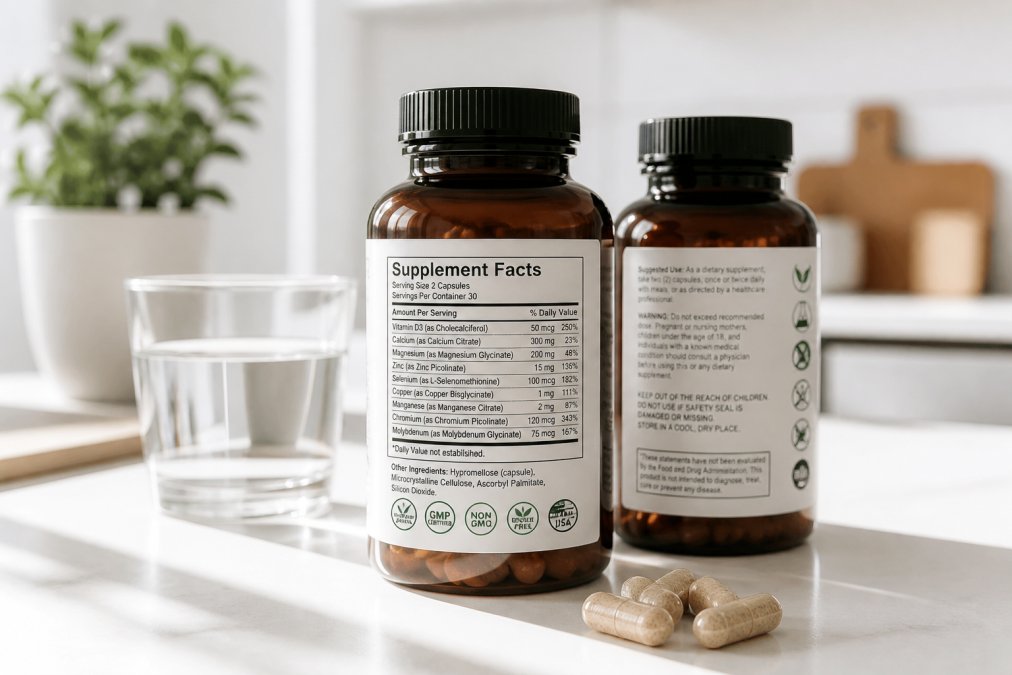
J. Paulo's Moringa Pure exemplifies this approach: just one ingredient, pure Moringa leaf, in a vegan capsule at $18.49 per bottle. No fillers, no additives, just the plant in its most potent form. The cost difference reflects this commitment, clean formulations require more expensive sourcing, stricter quality controls, and often smaller batch sizes.

Third-Party Tested Supplement Brands: Why Certification Matters
Third-party testing verifies that what's on the label actually matches what's in the bottle. Independent laboratories check for potency, purity, contaminants, and heavy metals. This matters because the supplement industry operates under different regulatory oversight than pharmaceuticals, the FDA doesn't pre-approve supplements before they hit shelves (the FDA).
Premium brands publish testing results and display certifications from NSF International, USP (United States Pharmacopeia), or Informed Choice. These third-party seals verify quality, purity, and absence of banned substances. Without third-party testing, you're relying on the manufacturer's own quality assurance, which isn't independently verified.
Heavy metal contamination is a real concern, particularly for botanicals or minerals sourced from regions with less stringent environmental controls. Third-party testing screens for lead, cadmium, arsenic, and mercury, critical for supplements taken daily over months or years. Potency verification ensures you're getting the dose listed on the label; some supplements contain less active ingredient than claimed.
According to NSF International's supplement certification standards, third-party tested products undergo rigorous verification for label accuracy, purity, and absence of contaminants, a standard that sets premium brands apart from unverified alternatives.
How to Read Supplement Labels and Spot Quality Markers
The Supplement Facts panel lists active ingredients and amounts per serving, but the ingredient list reveals fillers, binders, and additives. If you see cellulose, silica, magnesium stearate, or artificial sweeteners, you're looking at a conventional supplement. Premium brands eliminate these or use natural alternatives.
Bioactive compounds matter more than raw ingredient weight. A 500mg extract standardized to 95% curcuminoids is more potent than 1000mg of unstandardized turmeric powder. Look for "standardized" or a percentage specification, this verifies active compound concentration.
The "Other Ingredients" section reveals premium commitment to clean labels. Fewer ingredients here means fewer fillers. Manufacturing location matters too; US-manufactured supplements are subject to FDA oversight and good manufacturing practices (GMP) standards, establishing a regulatory baseline.
Look for third-party certification seals: NSF, USP, Informed Choice, or similar marks. These require ongoing compliance and periodic re-testing. Expiration dates and batch numbers signal transparency; batch numbers allow traceability if contamination emerges.
Dosage instructions reveal formulation strategy. If a supplement requires multiple capsules daily, ingredients may be diluted. Premium formulations typically aim for higher ingredient concentration per dose.
Top Premium Supplement Brands That Deliver Results
J. Paulo: US-Manufactured Excellence Without Compromise
J. Paulo stands out because they've refused to compromise on quality or accessibility. Every product is US-manufactured, rigorously tested, and formulated without cheap fillers or weird additives. This brand delivers real results you can actually feel.
Their Complete Multivitamin at $19.95 includes immune-boosting botanicals like echinacea, antioxidant protection from green tea extract, and superfoods like spirulina, comprehensive daily nutrition in a single capsule. Their Gut Health & Digestive Support formula at $24.95 combines probiotics, prebiotics, and a full digestive enzyme complex (protease, amylase, lipase, cellulase) to break down all macronutrient types.

For weight management, their Appetite Balance & Weight Support Strips at $28.95 deliver saffron for appetite control and chromium for blood sugar balance in an oral strip format that dissolves in seconds. For longevity-focused customers, J. Paulo NMN at $39.95 delivers pure Nicotinamide Mononucleotide to support NAD+ production at the cellular level.
The brand's commitment to transparency is evident in clean labels, disclosed ingredient amounts, and documented manufacturing processes. J. Paulo's exclusive pricing makes superior health accessible, you're paying for formulation quality and manufacturing rigor, not marketing hype.
Feature Comparison: What Sets Premium Brands Apart
| Feature | Premium Brands | Budget Alternatives | Why It Matters |
|---|---|---|---|
| Third-party testing | Yes, published results | Rare or internal only | Verifies label accuracy and purity |
| Clean label (no fillers) | Vegetable cellulose or none | Multiple synthetic binders | Reduces digestive sensitivity, improves absorption |
| Standardized extracts | 85-95% active compounds | Unstandardized or unknown | Ensures consistent potency across batches |
| US manufacturing | Yes, GMP-certified | Often imported, variable oversight | Subject to FDA oversight and quality standards |
| Ingredient transparency | Full disclosure, batch numbers | Vague or proprietary blends | Allows verification and traceability |
| Bioavailability optimization | Yes, delivery system designed | Generic formulation | Your body actually absorbs and uses the ingredients |
| Sustainability sourcing | Documented practices | Not disclosed | Ethical production, often better ingredient quality |
Why Premium Supplement Prices Reflect Real Quality Differences
The price gap between premium and budget supplements reflects genuine differences in sourcing, manufacturing, and testing. Raw material sourcing drives cost differences; premium brands source from suppliers with documented quality standards, traceability, and often organic or non-GMO certification. Budget brands source from commodity markets where price is the primary negotiation point.
Manufacturing standards add significant cost. GMP certification requires documented procedures, environmental controls, staff training, and regular audits. Facilities meeting GMP standards invest millions in equipment and systems. Third-party testing represents direct costs that premium brands absorb; each batch tested costs depending on scope.
Formulation development costs money. Premium brands employ nutritionists and formulators who optimize ingredient combinations for bioavailability, synergy, and efficacy. Premium packaging protects against oxidation and degradation better than budget alternatives; a formula in amber glass with a desiccant packet maintains potency longer than a multivitamin in plastic.
The real question isn't why premium supplements cost more, but why budget supplements cost so little. The answer is usually that corners are cut somewhere: ingredient quality, testing, manufacturing standards, or all three.
How to Choose Premium Supplements for Your Specific Health Goals
Start with clarity about your actual health goal. "General wellness" is too vague. Are you targeting energy, digestion, joint mobility, sleep quality, or weight management? Premium brands formulate specifically for these outcomes.
Look for brands that specialize in your category. J. Paulo's Gut Health & Digestive Support combines three complementary mechanisms, probiotics, prebiotics, and enzymes, because the brand understands digestive wellness requires all three working together.

Check the ingredient list against clinical research. Verify that claimed ingredients are included at doses studied in research. Consider your lifestyle and convenience; if taking multiple supplements, a comprehensive multivitamin reduces pill burden. Oral strips offer portability that capsules can't match.
Assess your current diet and supplementation to avoid redundancy. Start with a single supplement and assess results over 4-8 weeks; most supplements require consistent use before effects become noticeable. Research the brand's transparency practices: do they publish third-party test results? Can you access batch-specific information? Do they disclose manufacturing location?
Consider subscription options for long-term supplements. Some premium brands offer discounts for recurring orders, making per-bottle costs more accessible.
According to FDA guidance on dietary supplements, consumers should evaluate supplements based on ingredient quality, manufacturing standards, and third-party verification, standards that premium brands consistently meet and budget alternatives often skip.
Choosing premium supplement brands is an investment in your wellness strategy. The difference between a bargain supplement and a premium one is potency, purity, and measurable results. Brands like J. Paulo deliver exactly what they promise: US-manufactured supplements rigorously tested for quality and formulated without cheap fillers. When you prioritize third-party testing, clean labels, and transparent sourcing, you're buying confidence that what's in the bottle will deliver results. Start with a specific health goal, choose a brand that specializes in that outcome, and give the formulation time to work. The premium price reflects real quality differences that translate into real results you can feel.
Frequently Asked Questions
Q: What makes a premium supplement brand actually worth buying?
A: Premium supplement brands invest in third-party testing, use clinically studied ingredients at effective dosages, and avoid artificial fillers and cheap additives. They maintain rigorous manufacturing standards, provide transparent labeling, and back their formulas with quality control data. The price difference reflects real quality markers: ingredient purity, bioavailability optimization, and manufacturing oversight that budget brands skip.
Q: How do third-party tested supplement brands differ from others?
A: Third-party testing by independent labs verifies that supplements contain what the label claims and are free from contaminants like heavy metals or harmful bacteria. Third-party tested supplement brands undergo external verification, not just internal quality checks. This certification builds trust because the testing is conducted by organizations with no financial stake in the brand's success, providing objective proof of potency and purity.
Q: What should I look for when I read supplement labels?
A: When you read supplement labels, check the Supplement Facts panel for ingredient amounts (listed as milligrams or micrograms), look for third-party certification marks, and verify that active ingredients match clinical dosages used in research. Avoid long lists of fillers, artificial colors, or unnecessary binders. Check the manufacturing date and expiration, and confirm the product is manufactured in a facility with Good Manufacturing Practices (GMP) certification.
Q: Are expensive supplements always better than cheaper alternatives?
A: Not always, but price often reflects real quality differences. Expensive supplements typically use higher-quality ingredients, include clinically effective dosages, undergo third-party testing, and avoid cheap fillers. However, some premium pricing reflects branding rather than superior formulation. The key is matching the price to verifiable quality markers, third-party testing, transparent sourcing, clinical research backing, and manufacturing standards, rather than assuming cost alone guarantees superiority.
This article was written using GrandRanker