

Why Premium Supplements Cost More: What You're Actually Paying For
Table of Contents
- Why Premium Supplements Cost More: The Real Breakdown
- Manufacturing Standards and Production Quality
- The Impact of Benefits of Third-Party Supplement Testing
- Ingredient Sourcing and Raw Material Costs
- Supplements Without Artificial Fillers: The Clean Label Advantage
- Transparency, Certifications, and Financial Stability
- The Value Equation: Premium Cost vs. Real Results
- Conclusion
Last Updated: August 26, 2026
Why Premium Supplements Cost More: The Real Breakdown
When you're standing in the supplement aisle comparing bottles, the price difference between premium and budget options can feel shocking. A bottle of basic multivitamins might cost $10, while a premium alternative runs $40 or more. The immediate question most people ask is simple: are you really getting five times the value?
The answer is yes, but not always in the way you'd expect. Understanding why premium supplements cost more requires looking beyond marketing claims to the actual mechanics of supplement manufacturing, ingredient sourcing, testing standards, and regulatory compliance. At J. Paulo, we've built our reputation on transparency about these costs, because we believe informed customers make better health decisions.
The price difference between budget and premium supplements reflects real, measurable differences in how products are made. These aren't arbitrary markups. They're the result of choices made at every stage of production, from where raw materials come from to how rigorously the final product is tested before it reaches your hands. This guide breaks down exactly what you're paying for when you choose premium supplements, and why those costs matter to your health outcomes.
Manufacturing Standards and Production Quality
The foundation of any premium supplement is how it's manufactured. Budget supplements often come from facilities that meet the bare minimum FDA requirements for dietary supplement manufacturing. Premium supplements, by contrast, are typically produced in facilities that exceed these baseline standards by significant margins.
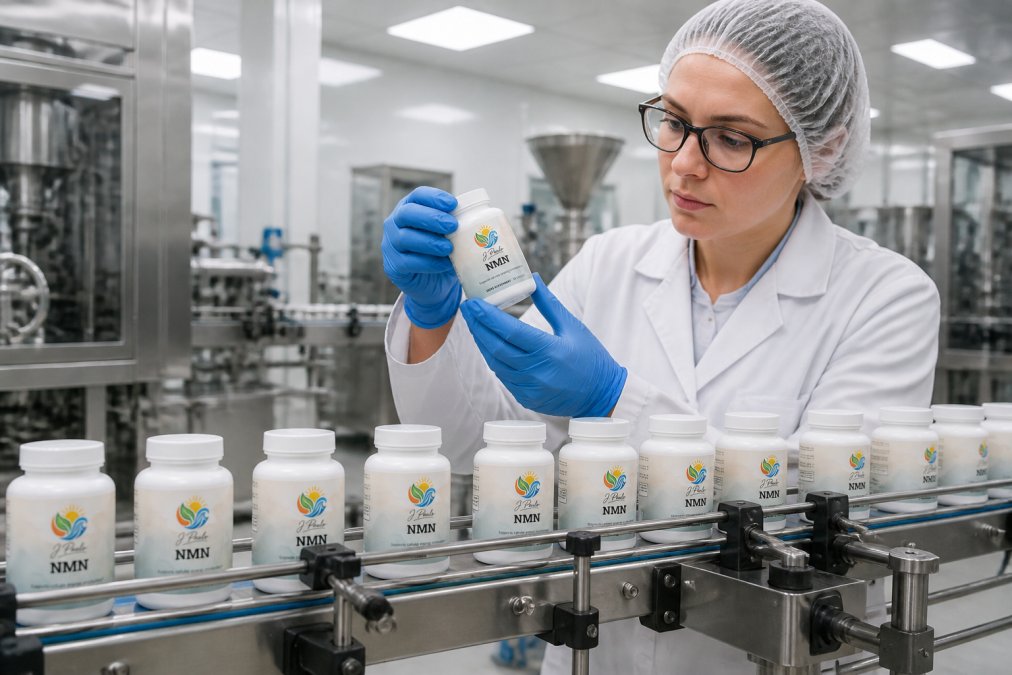
Premium manufacturers invest in equipment that provides tighter control over consistency, purity, and potency. This includes advanced machinery for precise ingredient measurement, temperature-controlled environments to protect sensitive compounds, and automated systems that catch contamination before products are packaged. A budget facility might use manual weighing systems that tolerate wider variance; a premium facility uses automated systems accurate to fractions of a milligram.

The difference shows up in batch consistency. When you buy a premium supplement, every capsule in that bottle contains essentially the same amount of active ingredients. Budget supplements often show wider variation from capsule to capsule, some might contain 95% of the claimed potency, others 110% (peer-reviewed research). This inconsistency matters because your body can't build a reliable response to a supplement if the dose keeps changing.
Manufacturing standards also affect ingredient stability. Premium facilities maintain strict temperature and humidity controls to prevent ingredient degradation. They use protective packaging designed to shield contents from light and oxygen exposure. A budget supplement sitting on a shelf for months might lose 20-30% of its potency before you even open it (peer-reviewed research). A premium product, properly stored, maintains its potency throughout its shelf life.
The cost of maintaining these higher standards is substantial. Premium manufacturers spend significantly more on facility maintenance, equipment calibration, environmental monitoring, and staff training. These aren't hidden costs, they're built into the price you pay because they directly affect product quality.
The Impact of Benefits of Third-Party Supplement Testing
Third-party testing is where the gap between budget and premium supplements becomes most visible. This is also where many customers misunderstand what they're paying for.
Budget supplements often rely on the manufacturer's own testing, what's called "first-party testing." The company makes the product and tests it themselves. While manufacturers are required to test their products, first-party testing lacks the independence that builds real confidence. It's like asking a restaurant to grade its own food safety.
Premium supplements typically undergo third-party testing, where an independent laboratory tests finished products before they're released to market. These labs check for several critical things: whether the product actually contains the amount of active ingredients claimed on the label, whether it's free from contaminants like heavy metals or harmful bacteria, and whether it's free from undeclared ingredients.
The benefits of third-party supplement testing go beyond simple verification. Independent labs can identify problems that manufacturers might miss or overlook. They test for heavy metals like lead, cadmium, and arsenic, contaminants that can accumulate in some botanical ingredients. They check for microbial contamination. They verify that what's on the label is actually what's in the bottle.
This testing costs money. A comprehensive third-party test for a single product batch can cost $2,000 to $5,000 depending on the scope (the FDA). Premium manufacturers typically test multiple batches per year, and often test for more parameters than the minimum required. That's a direct cost that gets reflected in the final price.
The value of this testing becomes clear when you consider what happens without it. Budget supplements occasionally get recalled for contamination or mislabeling. These aren't rare occurrences. When a supplement contains undeclared allergens or harmful bacteria, the consequences for customers can be serious. Premium supplements with rigorous third-party testing dramatically reduce this risk.
Ingredient Sourcing and Raw Material Costs
The raw materials that go into supplements vary wildly in quality and cost. This is one of the biggest drivers of price differences between budget and premium products.
Budget supplement manufacturers typically source ingredients from the cheapest available suppliers. For common ingredients like vitamin C or B vitamins, this might mean buying from large commodity suppliers who prioritize volume and cost over quality. These ingredients often come from facilities with minimal quality standards.
Premium manufacturers source ingredients from suppliers who maintain higher standards. They verify supplier credentials, audit manufacturing facilities, and often pay premiums for ingredients produced under stricter conditions. A premium vitamin D3 source might be from a supplier who uses pharmaceutical-grade processes even though the final ingredient is used in a dietary supplement.
For botanical ingredients, things like turmeric, ginger, or ashwagandha, the sourcing difference is even more pronounced. The potency and purity of botanical ingredients varies dramatically based on growing conditions, harvesting methods, and processing. Premium manufacturers often work directly with growers or specialized suppliers who maintain consistent quality standards. They might pay two or three times more for an ingredient like ashwagandha because they're sourcing a version that's been tested for potency and contaminants.
The cost of raw materials also reflects testing and documentation. Premium ingredient suppliers provide certificates of analysis showing exactly what's in each batch. They maintain traceability so you can track an ingredient back to its source. Budget suppliers often provide minimal documentation.
For specialized ingredients, things like NMN for cellular health or advanced probiotic strains, the cost difference is substantial. A premium NMN source might cost five times more than a budget alternative, but it comes with verified potency and purity documentation. You're not just paying for the ingredient; you're paying for confidence that what you're buying actually works.

Supplements Without Artificial Fillers: The Clean Label Advantage
The difference between premium and budget supplements becomes immediately visible when you compare ingredient lists. Budget supplements often contain numerous fillers, binders, and flow agents that serve no health purpose, they're there purely to make manufacturing easier and cheaper.
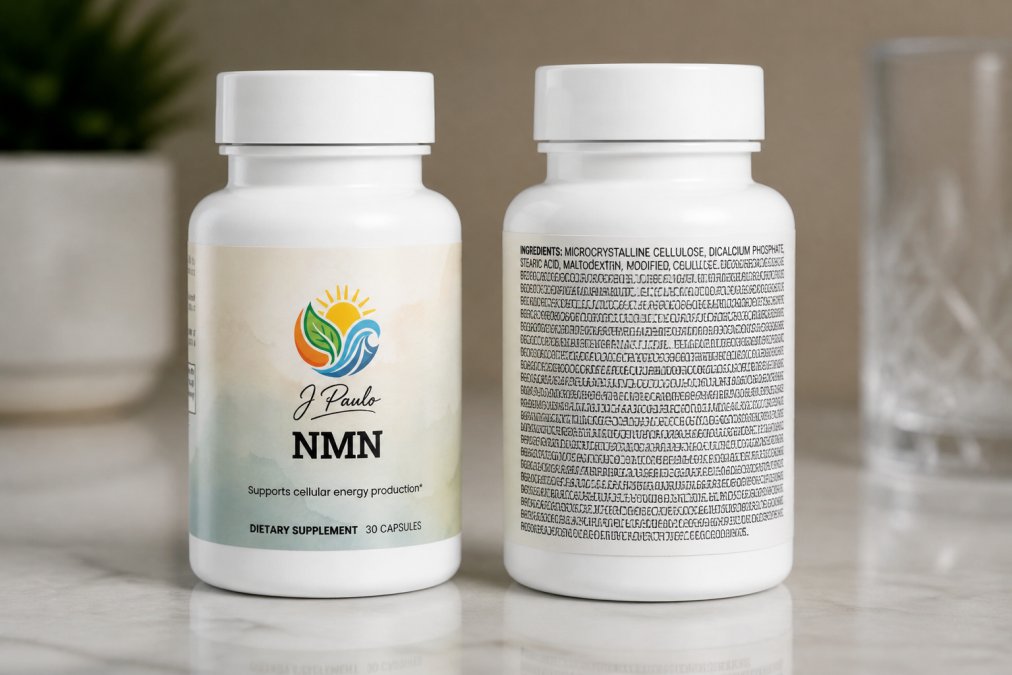
Common budget supplement fillers include microcrystalline cellulose, maltodextrin, and silicon dioxide. These ingredients aren't harmful in the quantities used, but they're not beneficial either. They're cost-reduction measures. They allow manufacturers to fill capsules more efficiently and reduce the amount of expensive active ingredients needed.
Premium supplements without artificial fillers require different manufacturing approaches. Formulating a capsule with minimal fillers is more technically challenging. It requires more precise ingredient selection and often requires custom equipment to handle ingredients that don't flow as easily through standard machinery. This complexity increases manufacturing costs.
The clean label advantage goes beyond avoiding fillers. Premium supplements often exclude artificial colors, artificial flavors, and synthetic preservatives. They might use natural preservation methods or rely on packaging that reduces the need for preservatives. They avoid common allergens like soy, gluten, and dairy unless those ingredients serve a specific purpose.
This matters because many people experience sensitivity to common fillers and additives. Someone might take a budget supplement and experience digestive discomfort without realizing it's not the active ingredient causing the problem, it's the maltodextrin or the magnesium stearate. Premium supplements without artificial fillers eliminate this variable. You're taking something closer to pure active ingredients.
The cost of maintaining a clean label formula is real. Premium manufacturers spend more on ingredient sourcing to find versions without unnecessary additives. They invest in equipment that can handle these cleaner ingredients. They often pay for custom encapsulation or formulation work. These costs are reflected in the price.
Transparency, Certifications, and Financial Stability
Premium supplement brands invest heavily in transparency and certifications that budget manufacturers often skip. These investments signal quality but also carry real costs.
Third-party certifications like NSF Certified for Sport, USP Verified, or Informed Choice require rigorous auditing and ongoing compliance verification. A manufacturer must open their facilities to inspectors, provide detailed documentation, and pay certification fees that can run thousands of dollars annually. Budget manufacturers often skip these certifications because they're expensive and add no direct manufacturing benefit.
Transparency about sourcing and testing is another premium differentiator. Premium brands publish third-party test results, provide detailed ingredient sourcing information, and often maintain publicly accessible certificates of analysis. Budget manufacturers might not publish this information, partly because testing is less rigorous and partly because transparency adds administrative costs.
The financial stability of the manufacturer matters more than most customers realize. A well-established premium brand has the resources to conduct recalls if necessary, maintain consistent quality across batches, and invest in research to verify product efficacy. A budget manufacturer operating on thin margins might cut corners when unexpected costs arise, or might disappear entirely if business conditions change.
At J. Paulo, we maintain this transparency because we believe your health decisions deserve to be informed. We provide detailed information about our sourcing, our testing protocols, and our manufacturing standards. We invest in certifications and third-party verification because we stand behind our products.
The Value Equation: Premium Cost vs. Real Results
The ultimate question is whether premium supplements actually deliver better results than budget alternatives. The answer depends on what you're measuring and how you're measuring it.
Budget supplements often contain active ingredients at levels that meet the minimum daily requirement but don't necessarily deliver noticeable effects. A budget multivitamin might contain enough vitamin D to prevent deficiency, but not enough to meaningfully improve energy or mood if you're deficient. A budget digestive enzyme might contain enzymes, but at potencies too low to noticeably reduce bloating.
Premium supplements are typically formulated at potencies designed to produce measurable effects. J. Paulo's Gut Health & Digestive Support, for example, combines probiotics, prebiotics, and digestive enzymes at levels supported by research. The probiotic count is meaningful, the prebiotic dose is substantial, and the enzyme blend is comprehensive. This formulation costs more than a budget alternative, but it's designed to actually improve digestive function in ways you can feel.

The difference shows up in consistency and reliability. When you take a premium supplement formulated at effective potencies and manufactured to strict standards, you can expect consistent results. When you take a budget supplement with lower potencies and variable batch consistency, results are less predictable.
Consider the practical math. A premium supplement might cost twice as much as a budget alternative. But if it's formulated at twice the potency and manufactured with twice the consistency, you're getting equivalent value. If it's formulated at three times the potency or produces measurable results while the budget alternative doesn't, you're actually getting better value despite the higher price.
The timeline for results also matters. Some people expect to feel the effects of supplements within days. In reality, many supplements require consistent use over weeks or months to produce noticeable changes. Premium supplements are typically formulated with this timeline in mind. Budget supplements might contain ingredients at potencies too low to produce results within any reasonable timeframe.
When you're evaluating supplement costs, you're really evaluating manufacturing quality, ingredient sourcing, testing rigor, and formulation potency. Premium supplements cost more because they're built differently at every stage. They come from better sources, they're made in better facilities, they're tested more thoroughly, and they're formulated at potencies designed to produce results.
J. Paulo supplements represent this premium approach. Our US-manufactured products are rigorously tested, formulated without cheap fillers or weird additives, and designed to deliver real results you can actually feel. Whether you're seeking appetite balance, digestive support, or comprehensive wellness, our exclusive pricing makes superior health accessible. Explore our complete multivitamin, gut health formula, or any of our specialized supplements and experience the difference that premium quality makes.
Frequently Asked Questions
What ingredients justify a higher price point in premium supplements?
Premium supplements use bioavailable forms of nutrients (like chelated minerals), clinically studied dosages, and potent botanical extracts. Budget supplements often use cheaper forms that your body absorbs poorly. For example, premium whey protein isolates like J. Paulo Advanced 100% Whey Protein Isolate ($52.95) undergo additional filtration to remove excess fat and lactose, delivering 22g of pure protein per serving. Budget proteins may use lower-quality concentrates with fillers and additives that reduce effectiveness and digestibility.
How does third-party testing impact the cost of supplements?
Third-party testing verifies that supplements contain exactly what the label claims and are free from contaminants, heavy metals, and banned substances. This testing costs manufacturers $500 to $5,000+ per product batch. Premium brands absorb these costs to guarantee safety and efficacy; budget brands often skip testing to keep prices low. This testing protects you from mislabeled products and ensures you're actually getting the dose promised on the label, making it a critical component of supplement quality.
Are expensive supplements actually more effective than budget options?
Yes, when the price difference reflects better sourcing, testing, and manufacturing. A premium supplement with clinically relevant dosages and third-party verification will outperform a budget option with insufficient doses and untested ingredients. However, expensive doesn't automatically mean effective, you need to verify certifications and testing. J. Paulo's rigorously tested formulas deliver real results because they use premium ingredients at effective dosages, not just higher markups. The difference is measurable in how you feel.
What are fillers and how do they lower the cost of supplements?
Fillers are inactive ingredients like maltodextrin, cellulose, and silicon dioxide added to bulk up capsules cheaply. They reduce manufacturing costs but provide zero health benefit and can cause digestive discomfort. Premium supplements minimize fillers to maximize active ingredients per dose. Supplements without artificial fillers cost more because manufacturers use expensive binding agents and optimize formulations for potency rather than volume. J. Paulo's approach eliminates cheap fillers entirely, so you're paying for actual nutrition, not filler volume.
This article was written using GrandRanker