

Supplements Without Artificial Fillers: 7 Clean-Label Options
Table of Contents
- What Are Supplement Fillers and Why Are They Used?
- Harmful Supplement Additives to Avoid
- What Is Magnesium Stearate in Vitamins?
- How to Read a Supplement Label for Clean Ingredients
- 7 Best Supplements Without Artificial Fillers
- Third-Party Tested Supplements: What Sets Them Apart
- Why Clean-Label Manufacturing Matters for Bioavailability
- Conclusion
Last Updated: August 14, 2026
What Are Supplement Fillers and Why Are They Used?
Supplement fillers are inactive ingredients added to vitamins and dietary supplements to achieve correct tablet size, improve manufacturing efficiency, and enhance stability. Manufacturers use fillers because active ingredients represent only a small percentage of final product weight, without them, you'd swallow a pill the size of a grain of sand. Binders hold ingredients together, lubricants prevent sticking, and flow agents ensure consistent dosing.
The problem emerges when manufacturers prioritize cost savings over quality. Cheap fillers like magnesium stearate, silicon dioxide, and titanium dioxide accumulate in your system and can interfere with nutrient absorption. Some fillers derive from hydrogenated oils or synthetic sources your digestive system struggles to process, potentially contributing to digestive discomfort and reduced bioavailability.
At J. Paulo, we've engineered formulations to minimize unnecessary excipients while maintaining capsule integrity and consistent potency. This approach costs more upfront but delivers real results, which is why we've built our reputation on supplements without artificial fillers.
Harmful Supplement Additives to Avoid
Not all inactive ingredients are equal. Some offer minimal benefit while potentially compromising your health.
Magnesium stearate is present in an estimated 90% of commercial supplements as a cost-effective anti-caking agent. The concern: stearic acid can form a coating on your intestinal lining that reduces nutrient absorption. Some research suggests it may impair immune function, though evidence remains mixed. Safer alternatives include vegetable-derived stearic acid or silica-based flow agents at lower concentrations.
Titanium dioxide serves as a whitening agent. While the FDA considers it safe for ingestion, independent research raises questions about potential accumulation in organs and inflammatory responses in susceptible individuals. For anyone with digestive sensitivity or autoimmune concerns, avoiding it is prudent.
Silicon dioxide (silica) acts as a flow agent. In small amounts, it's generally recognized as safe, but excessive quantities can impair nutrient bioavailability and contribute to digestive bloating. Look for products with silicon dioxide listed beyond the fifth ingredient position.
Hydrogenated oils appear in some supplements as binders or lubricants. These synthetic fats are metabolically foreign to your body and may contribute to inflammation, a red flag for poor manufacturing practices.
Artificial preservatives like BHA, BHT, and sodium benzoate extend shelf life but carry health concerns, particularly for individuals sensitive to synthetic compounds. Natural preservatives like vitamin E (mixed tocopherols) or rosemary extract achieve similar results without downsides.
What Is Magnesium Stearate in Vitamins?
Magnesium stearate is a compound formed by combining magnesium with stearic acid. It appears in approximately 90% of commercial supplements as a lubricant and anti-caking agent. During manufacturing, it prevents ingredients from sticking to machinery, ensuring consistent dosing and faster production rates.
When magnesium stearate reaches your digestive system, some research suggests it can form a thin coating on intestinal walls, potentially reducing absorption of active ingredients. Studies remain inconclusive, but the uncertainty itself is problematic: you're paying for a supplement while potentially reducing its effectiveness. For expensive supplements targeting specific health outcomes, even a 10-15% efficiency loss compounds over months of consistent use. J. Paulo formulations use microcrystalline cellulose and silicon dioxide at minimal concentrations instead of magnesium stearate, maintaining manufacturing efficiency while preserving bioavailability.
How to Read a Supplement Label for Clean Ingredients
Reading a supplement label professionally requires understanding the hierarchy of information and what each section reveals about manufacturing priorities.
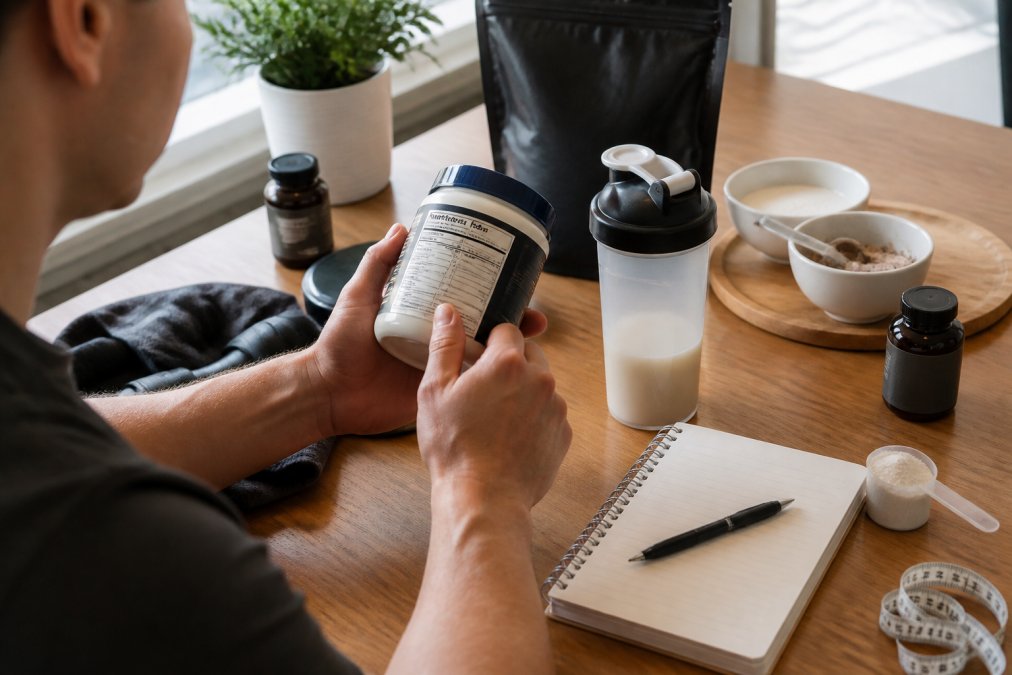
Start with the Supplement Facts panel, not marketing claims. This is where manufacturers must list active ingredients with amounts per serving. Ingredient order reflects weight, so if magnesium stearate appears in the first five ingredients, the manufacturer is using it heavily.
Count the inactive ingredients. Clean-label supplements contain 3-6 inactive ingredients maximum. If you see 10+, the formulation prioritizes manufacturing convenience over your health.
Look for the encapsulation material. HPMC (hypromellose) and vegetable cellulose capsules are superior to gelatin capsules, which may contain additives and aren't suitable for vegetarians.
Identify flow agents and lubricants specifically. Silicon dioxide is acceptable in trace amounts (under 2% by weight). Look for products using gum arabic or acacia gum as alternatives, they're natural and indicate commitment to quality.
Check for third-party testing notation. Reputable manufacturers display certifications from NSF International, USP (United States Pharmacopeia), or ConsumerLab. These certifications verify the product contains what the label claims and is free from harmful contaminants.
Examine the "Other Ingredients" section closely. Titanium dioxide, artificial colorants, and synthetic preservatives should trigger skepticism. If you can't pronounce an ingredient and don't understand its function, research it or choose an alternative.
7 Best Supplements Without Artificial Fillers

1. J Paulo Complete Multivitamin
Best Overall, Comprehensive nutrition without synthetic additives
The J Paulo Complete Multivitamin delivers a full spectrum of essential vitamins and minerals in a single daily dose, engineered to eliminate the filler burden plaguing most multivitamins. This formulation includes all crucial B vitamins, vitamins A, C, D, and E, plus essential minerals like magnesium, zinc, selenium, and copper.
Most multivitamins contain 12-15 inactive ingredients. This formula uses only microcrystalline cellulose, minimal silicon dioxide, and magnesium stearate-free encapsulation. The ingredient list incorporates a comprehensive antioxidant blend featuring green tea extract, grape seed extract, and pomegranate fruit extract, plus immune-supporting herbs like echinacea, spirulina, and beta glucan.
At $15.49 per bottle, it costs less than most premium alternatives while delivering superior ingredient transparency. Take with food to maximize absorption of fat-soluble vitamins (A, D, E).
Pros:
- Complete nutrient profile in two capsules daily
- Natural antioxidant blend included
- Minimal inactive ingredients
- Affordable premium pricing
Cons:
- Requires food for optimal absorption
- Two-capsule daily dose
2. JPaulo NMN
Best for Anti-Aging and Cellular Energy
JPaulo NMN delivers 500 mg of pure ß-Nicotinamide Mononucleotide per capsule at 99.9% purity. NMN supports NAD+ production, a molecule that naturally declines with age and directly impacts cellular energy metabolism.
The formulation is elegantly simple: one active ingredient, HPMC vegetable capsule, microcrystalline cellulose, minimal silicon dioxide, and no magnesium stearate. This minimalist approach ensures maximum bioavailability without unnecessary additives competing for absorption pathways. At $18.49, this is competitively priced for pharmaceutical-grade NMN.
Pros:
- 99.9% purity NMN
- Single-capsule daily dose
- Minimal filler profile
- Supports cellular energy and NAD+ production
Cons:
- Single-ingredient formula
- Results require consistent use over months
3. JPaulo Moringa Pure
Best for Nutrient Density and Plant-Based Wellness
JPaulo Moringa Pure delivers concentrated moringa leaf extract in vegetable cellulose capsules with zero synthetic additives. Two capsules daily provide a full spectrum of plant compounds naturally occurring in moringa leaves. The formulation contains only moringa oleifera leaf and hypromellose (vegetable capsule), representing the gold standard for clean-label formulations. At $18.49 for 60 capsules, it provides a full month of supplementation.
Pros:
- Zero synthetic additives
- Pure plant-based formula
- Vegan-friendly encapsulation
- Exceptional value for nutrient density
Cons:
- Requires specific timing (before meals)
- Plant-based supplements may taste earthy
4. J Paulo Joint Support
Best for Mobility and Structural Health
J Paulo Joint Support addresses joint health proactively with MSM, glucosamine HCl, turmeric, boswellia, and hyaluronic acid. The inclusion of black pepper extract (standardized to 95% piperine) enhances bioavailability of turmeric and boswellia. At $24.49 for 60 capsules, the two-capsule daily dose delivers meaningful amounts of each active ingredient. The boswellia is standardized to 65% boswellic acids, ensuring consistent potency.
Pros:
- Comprehensive joint support blend
- Standardized herbal extracts
- Black pepper extract for enhanced absorption
- Vegetarian glucosamine source
Cons:
- Gelatin capsules (not vegetable-based)
- Requires consistent use for noticeable results
5. JPaulo GLP-1 Support
Best for Digestive Comfort and Nutrient Absorption
JPaulo GLP-1 Support combines magnesium, probiotics (LactoSpore), digestive enzymes, and botanical extracts like ginger and peppermint. It includes methylated B vitamins (B12 as methylcobalamin, B6 as pyridoxal 5'-phosphate, folate as 5-MTHF), zinc, iron, biotin, and vitamin D3, bioactive forms your body absorbs more efficiently. The digestive enzyme blend includes bromelain and DigeZyme, supporting macronutrient breakdown. At $36.95 for 60 capsules, the two-capsule daily dose delivers meaningful amounts of each component.
Pros:
- Comprehensive digestive + nutrient support
- Bioactive vitamin forms
- Shelf-stable probiotic strain
- Black pepper extract for enhanced absorption
Cons:
- Higher price point
- Contains iron (not suitable for all individuals)
6. JPaulo Sleep Support
Best for Restful Sleep Without Dependency
JPaulo Sleep Support combines magnesium citrate, vitamin B6, melatonin, and a proprietary botanical blend designed to ease you into restful sleep without grogginess or dependency concerns. The botanical blend includes chamomile, passion flower, lemon balm, and L-theanine, plus ashwagandha and 5-HTP. The formulation uses hypromellose vegetable capsules, trace silicon dioxide, and magnesium stearate-free encapsulation. At $15.49 for 60 capsules, the magnesium citrate form is more bioavailable than oxide or carbonate forms.
Pros:
- Natural botanical blend (no synthetic sleep drugs)
- Bioavailable magnesium citrate form
- Supports emotional and nervous system relaxation
- Affordable premium pricing
Cons:
- Requires consistent timing (before bed)
- Results improve over 2-3 weeks
7. JPaulo Appetite Balance & Weight Support Strips
Best for Convenience and On-the-Go Support
JPaulo Appetite Balance & Weight Support Strips solve multi-pill fatigue with an oral strip format: one dissolving strip daily, anytime, with no water required. Each strip contains saffron extract (10 mg), chromium (75 mcg), and molybdenum (10 mcg). The strip format uses pullulan (a natural polysaccharide), cellulose, and natural flavoring with no artificial sweeteners beyond steviol glycoside (natural stevia). At $26.49 for 30 strips, the per-dose cost is reasonable for a specialized delivery format.
Pros:
- Convenient oral strip format
- Natural sweetener (no artificial additives)
- Portable and travel-friendly
- Supports healthy metabolism and appetite balance
Cons:
- Oral strips may not suit all preferences
- Results depend on consistent daily use
Third-Party Tested Supplements: What Sets Them Apart
The supplement industry operates under lighter regulatory oversight than pharmaceuticals, making third-party testing the gold standard for quality assurance. When manufacturers submit products to independent labs like NSF International, USP (United States Pharmacopeia), or ConsumerLab, they verify three critical things: the product contains what the label claims, it's free from harmful contaminants (heavy metals, bacteria, mold, allergens), and the manufacturing process meets quality standards.
Third-party testing costs significantly, NSF certification alone can cost $5,000-15,000 per product plus annual renewal fees. This is why budget supplements rarely carry certifications. Premium manufacturers absorb this cost because it protects their reputation and ensures customer safety.
Why Clean-Label Manufacturing Matters for Bioavailability
Bioavailability, the degree to which your body absorbs and utilizes a nutrient, is where supplement quality becomes measurable. A supplement containing 500 mg of an active ingredient is worthless if your digestive system only absorbs 200 mg.
Fillers directly impact bioavailability. Magnesium stearate can coat intestinal walls, reducing absorption of active ingredients. Excessive silicon dioxide may bind to nutrients, preventing absorption. Hydrogenated oils can trigger inflammatory responses that impair digestive function. Each reduces nutrient absorption efficiency by 10-20% or more.
Clean-label formulations minimize this interference. When a supplement contains only active ingredients and 2-3 carefully selected encapsulation materials, your digestive system processes it more efficiently. You feel the difference: improved energy, better sleep, reduced joint discomfort, or clearer digestion within 2-4 weeks instead of 6-8 weeks.
| Aspect | Standard Supplements | Clean-Label Supplements |
|---|---|---|
| Inactive Ingredients | 10-15+ | 3-6 |
| Magnesium Stearate | Present (usually) | Absent or minimal |
| Bioavailability Impact | Reduced 10-20% | Minimal interference |
| Time to Noticeable Results | 6-8 weeks | 2-4 weeks |
| Third-Party Testing | Rare | Common |
| Price Per Dose | Lower upfront | Higher upfront, better value long-term |
Choosing supplements without artificial fillers isn't about purity for its own sake, it's about maximizing your investment. When you're spending money on your health, the formulation matters as much as the active ingredient. J. Paulo's commitment to clean-label manufacturing means you're absorbing what you're paying for, experiencing real results you can feel, and supporting your wellness goals with supplements engineered for actual effectiveness rather than manufacturing convenience.
Frequently Asked Questions
What are the most common fillers in supplements I should avoid?
Common fillers include magnesium stearate, silicon dioxide, titanium dioxide, cellulose, and hydrogenated oils. While some are considered safe in small amounts, they don't contribute to the supplement's active benefits and can reduce nutrient absorption. Titanium dioxide and synthetic colorants are particularly worth avoiding if you prefer cleaner formulations. Reading ingredient lists carefully helps you identify these additives and choose supplements without artificial fillers that prioritize potency over padding.
How can I tell if a supplement has artificial fillers by reading the label?
Look at the ingredient list after the active ingredients. Fillers typically appear as secondary ingredients and include binders, flow agents, and lubricants. Excipients like magnesium stearate, silicon dioxide, and microcrystalline cellulose are fillers. Compare labels: supplements with shorter ingredient lists and recognizable names tend to have fewer artificial additives. Third-party tested supplements often display certifications on the label, indicating the product has been verified for purity and potency without unnecessary fillers.
What is magnesium stearate in vitamins, and is it harmful?
Magnesium stearate is a lubricant added during manufacturing to help capsules flow smoothly through production equipment. It's derived from stearic acid and is generally recognized as safe by the FDA in small amounts. However, some research suggests it may slightly reduce nutrient absorption and bioavailability. If you prefer to avoid it, look for supplements labeled 'magnesium stearate-free.' Many clean-label manufacturers use alternative flow agents or minimize lubricant use altogether to maintain ingredient integrity.
Are third-party tested supplements worth the extra cost?
Yes. Third-party testing verifies that a supplement contains what the label claims and is free from harmful contaminants, heavy metals, and undisclosed additives. This independent verification ensures you're paying for actual potency, not just filler weight. For health-conscious consumers, the cost difference is justified because you know the product has been rigorously tested and meets quality standards. J. Paulo's US-manufactured supplements combine rigorous testing with clean formulations, delivering real results you can feel.
How long does it take to feel results from a clean-label supplement?
Results vary by supplement type and individual factors like diet, exercise, and baseline health. Most people notice effects within 2-4 weeks of consistent use, though some formulations work faster. Sleep support and digestive supplements often show results within days, while joint support and anti-aging supplements may take 4-8 weeks. Clean-label supplements without unnecessary fillers typically absorb better and work more efficiently. For best results, take supplements as directed, maintain consistency, and consult a healthcare provider about realistic timelines for your specific needs.
This article was written using GrandRanker