

Best Clean Label Weight Support: 2026 Guide
Table of Contents
- What Makes Clean Label Weight Support Different
- How to Control Appetite Naturally: The Clean Label Approach
- Why Third-Party Testing and Heavy Metal Screening Matter
- Clean Label Supplement Standards and What They Mean
- Top Clean Label Weight Support Options for 2026
- Avoiding Fillers in Wellness Products: What to Read on Labels
- Clean Label Benefits for Weight Management and Metabolic Health
- How to Read Lab Reports and Verify Product Safety
Last Updated: August 25, 2026
What Makes Clean Label Weight Support Different
Clean label weight support represents a fundamental shift in how people approach appetite management and metabolic wellness. Rather than relying on synthetic compounds and chemical fillers, clean label formulations prioritize ingredient transparency, third-party verification, and measurable safety standards. This approach appeals to health-conscious adults who've grown skeptical of supplement marketing claims and want proof that what they're taking actually works.
The distinction matters because the supplement industry operates with minimal FDA oversight. Most dietary supplements avoid rigorous testing before hitting shelves. Clean label products, by contrast, undergo independent verification for contaminants, potency, and ingredient accuracy. This transparency builds trust, and more importantly, delivers results consumers can actually feel.
At J. Paulo, we've built our entire product line around this principle. Every formula starts with a clear purpose, uses only ingredients with research backing, and gets tested for heavy metals, pesticides, and other contaminants that conventional products might miss. Your body deserves to know exactly what it's getting.

How to Control Appetite Naturally: The Clean Label Approach
Controlling appetite naturally requires understanding how your body signals hunger and satiety. The clean label approach works with these biological systems rather than against them, using ingredients that support your body's own regulatory mechanisms instead of forcing artificial suppression.
Saffron, for instance, has been studied for its role in reducing emotional eating and cravings (peer-reviewed research). Chromium supports stable blood sugar, which directly impacts hunger signals throughout the day. When blood sugar crashes, your body demands quick calories, usually the wrong kind. Stabilize that, and cravings diminish naturally.
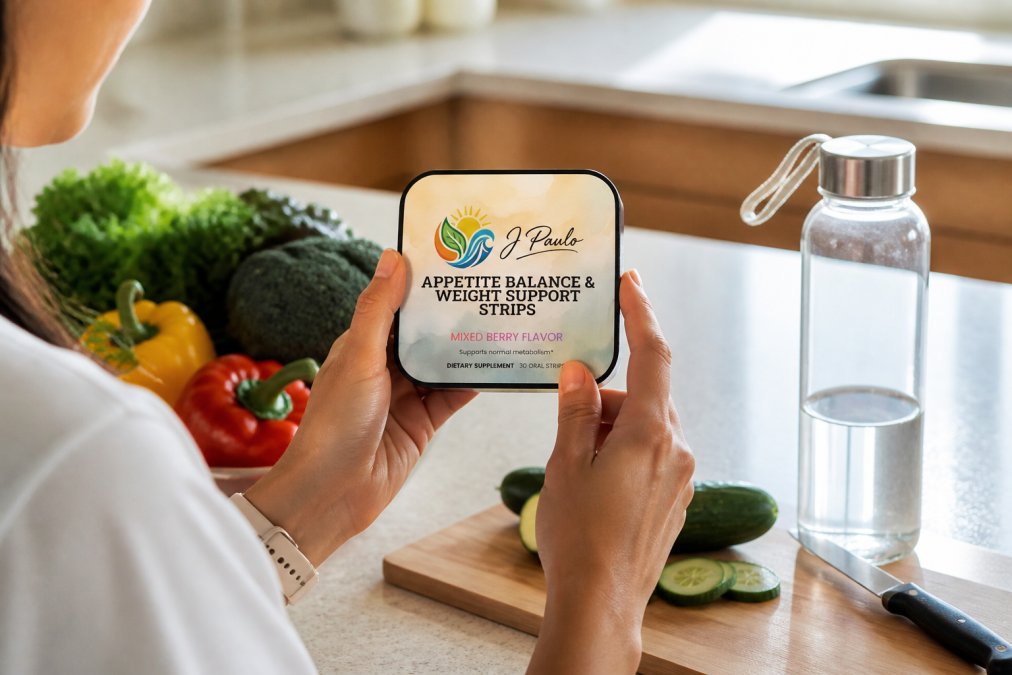
This is where metabolic health and weight management converge. Many people struggle with both simultaneously because they're treating appetite as a willpower problem rather than a biochemistry problem. Clean label supplements address the biochemistry: supporting healthy blood sugar, promoting satiety signals, and reducing the neurological drive to snack between meals.
The J. Paulo Appetite Balance & Weight Support Strips ($28.95) exemplify this approach. One daily strip dissolves in seconds, no pills to swallow, no water required. Saffron reduces cravings, chromium stabilizes blood sugar, and molybdenum supports the metabolic enzymes that keep your energy steady. The result: fewer impulses to eat when you're not actually hungry.
Why Third-Party Testing and Heavy Metal Screening Matter
Third-party testing separates legitimate clean label products from marketing theater. When a manufacturer tests their own products, conflicts of interest are inevitable. Independent labs have no stake in the outcome, they verify what's actually there.
Heavy metal contamination in dietary supplements is a real concern (the FDA). Arsenic, cadmium, lead, and mercury accumulate in certain botanical ingredients, particularly those sourced from contaminated soil. Consuming trace amounts over months or years creates genuine health risks. Third-party testing catches this before products reach consumers.
The certificate of analysis (CoA) is your proof. Legitimate clean label brands publish their CoA publicly, showing exactly what contaminants were tested for and what concentrations were found. If a brand won't share this document, that's a red flag. You're essentially buying blind.
J. Paulo publishes third-party testing results for every product. We don't hide behind proprietary blends or vague ingredient sourcing. Every batch gets screened for heavy metals, pesticides, and microbial contaminants.

Clean Label Supplement Standards and What They Mean
Clean label certification exists in a regulatory gray zone. The FDA doesn't formally certify "clean label" supplements, so the term itself lacks legal definition. What matters is understanding the standards that do exist and which ones actually protect consumers.
NSF International and USP (United States Pharmacopeia) are the two most rigorous third-party testing bodies for dietary supplements (nsf.org). NSF certification means a product has been tested for contaminants and verified to match label claims. USP certification follows similar protocols. Both require ongoing compliance audits, not just one-time testing.
Non-GMO and gluten-free certifications are easier to achieve but still meaningful. These verify ingredient sourcing and manufacturing practices. Vegan certification confirms no animal-derived ingredients. None of these alone guarantee safety, but together they paint a picture of a brand that cares about transparency.
Label accuracy is where most supplements fail. A product might claim 500mg of an ingredient but contain only 300mg. This isn't always intentional, it can result from ingredient degradation over time or poor quality control. Third-party testing catches these discrepancies.
When evaluating a clean label supplement, look for combinations of certifications rather than relying on any single one. A product with NSF certification, published heavy metal screening results, and non-GMO verification is far more trustworthy than one with vague "clean label" marketing claims.
Top Clean Label Weight Support Options for 2026
1. J. Paulo Appetite Balance & Weight Support Strips, Best for Convenient Daily Support
These strips deliver three targeted ingredients in a format that requires zero friction. Saffron reduces snacking urges, chromium stabilizes blood sugar, and molybdenum supports metabolic function. At $28.95, they're the most accessible entry point into clean label weight support.
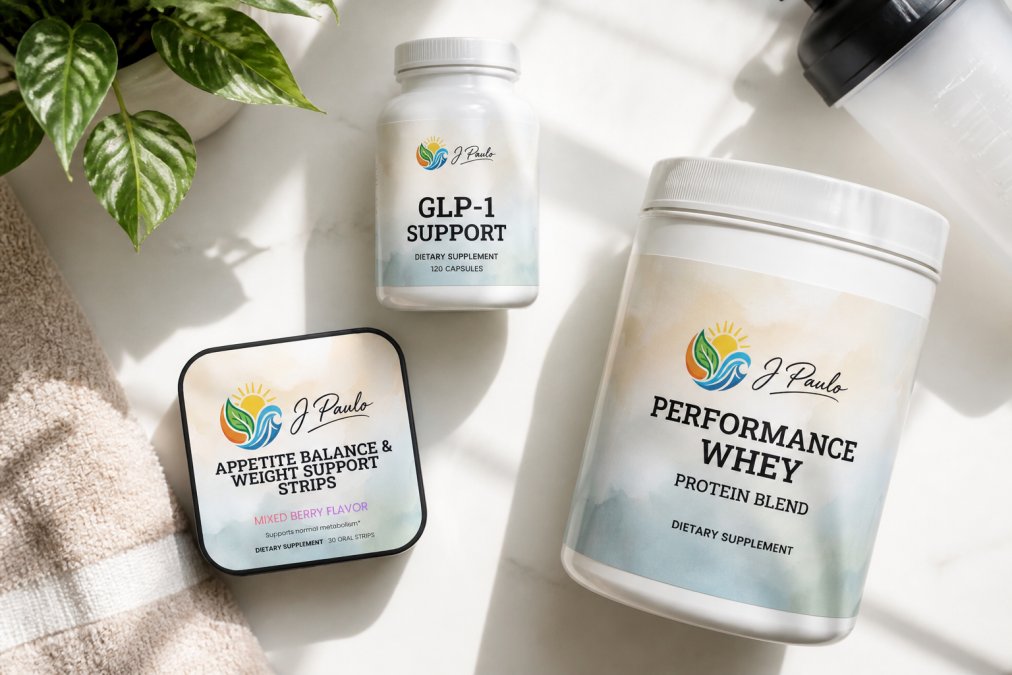
What works: The oral strip format means no pills to swallow. One strip daily is genuinely simple to remember. The ingredient combination addresses both blood sugar stability and emotional eating patterns.
What to watch: Results vary based on baseline diet and stress levels. Someone eating processed foods throughout the day will see less benefit than someone already eating whole foods. These strips work best as part of a broader wellness approach, not as a standalone solution.
2. J. Paulo GLP-1 Support, Best for Metabolic and Digestive Synergy
At $39.95, this formula targets the GLP-1 pathway, a critical regulator of digestion, appetite signaling, and blood sugar balance. The combination of probiotics, digestive enzymes, ginger, and peppermint creates a synergistic effect that addresses both weight management and digestive comfort simultaneously.
What works: GLP-1 support has gained mainstream attention recently, and for good reason. This pathway directly influences how your body processes food and signals fullness. Adding probiotics strengthens gut microbiome function, which improves nutrient absorption and reduces digestive discomfort. The ginger and peppermint provide immediate soothing benefits.
What to watch: This formula works best when taken with meals, as directed. Taking it on an empty stomach reduces effectiveness. Results build over 2-3 weeks as your gut microbiome adapts. People with sensitive digestion should start with one capsule daily rather than the full two-capsule dose.
3. J. Paulo Performance Whey Protein Blend, Best for Appetite Control Plus Muscle Support
Most people think of protein powder as purely a muscle-building tool. The J. Paulo Performance Whey Protein Blend ($51.95 for Vanilla, $47.95 for Chocolate) does that, 22g of whey protein per serving, but adds Solnul™ resistant potato starch as a prebiotic fiber that feeds beneficial gut bacteria.
What works: Protein itself is appetite-suppressing. Whey protein specifically triggers satiety signals more effectively than plant proteins. The added resistant starch creates sustained energy and feeds your microbiome. This combination means you build muscle while naturally controlling appetite. The vanilla and chocolate flavors are genuinely smooth, not chalky or artificial.
What to watch: This is a premium product at $51.95 per container. If budget is your primary concern, the J. Paulo Plant Protein ($46.95) delivers 21g of plant-based protein with MCT oil for sustained energy. The whey blend simply offers slightly higher bioavailability and the added prebiotic benefit.
Avoiding Fillers in Wellness Products: What to Read on Labels
Fillers are the supplement industry's dirty secret. Manufacturers add them to reduce costs and improve manufacturing consistency. Common fillers include maltodextrin, silicon dioxide, magnesium stearate, and various gums. None of these are toxic, but they're also not nutritive, you're paying for volume rather than benefit.
Read the ingredient list, not just the nutrition facts panel. Ingredients are listed by weight in descending order. If fillers appear in the first five ingredients, that product is more filler than active ingredient. This is common in budget supplements.
Artificial sweeteners deserve special attention. Aspartame, sucralose, and acesulfame potassium are technically safe, but many people experience digestive discomfort from them. Clean label products typically use stevia or monk fruit, which have a cleaner safety profile and cause fewer digestive issues.
Look for "Other Ingredients" sections that are transparently listed rather than hidden under "proprietary blend." Proprietary blends allow manufacturers to hide exactly how much of each ingredient is in the formula. If a brand won't disclose ingredient amounts, they're hiding something.
J. Paulo lists every ingredient with exact amounts. No proprietary blends, no mystery fillers.

Clean Label Benefits for Weight Management and Metabolic Health
The synergy between clean label supplements and metabolic health operates on multiple levels. First, verified ingredients mean you're actually getting the compounds your body needs to support healthy metabolism. Second, the absence of fillers and artificial additives reduces digestive stress, allowing your gut to function optimally.
When your gut microbiome is healthy, nutrient absorption improves. This means you feel satisfied with smaller portions, your body is actually getting the micronutrients it needs rather than just calories. Clean label products that include prebiotic fiber, like the J. Paulo Performance Whey Protein Blend, actively strengthen this microbiome.
Third-party testing ensures you're not consuming heavy metals or pesticide residues that would stress your liver and kidneys. These organs are critical for metabolic function. Reduce their burden, and your entire metabolic system runs more efficiently.
The weight management benefit extends beyond appetite suppression. Stable blood sugar means stable energy throughout the day. Stable energy means better workout performance, which means more muscle tissue, which means higher resting metabolic rate. Clean label supplements support this entire chain of causation.
Budget-conscious consumers often skip supplementation entirely, thinking it's unnecessary. The reality is more nuanced. Quality clean label supplements cost more upfront but deliver measurable results that justify the investment. A $28.95 bottle of J. Paulo Appetite Balance Strips that reduces cravings for a month is far cheaper than the daily coffee shop visits and snacks it prevents.
How to Read Lab Reports and Verify Product Safety
A certificate of analysis is a technical document designed for precision, not marketing. Understanding how to read one separates informed consumers from those relying on brand claims.
The CoA lists specific contaminants tested and their detection limits. "Not detected" (ND) means the contaminant was tested for but found below the minimum detectable level, this is what you want. Any detected amount should be well below regulatory limits, which vary by contaminant and ingredient type.
Heavy metals are typically reported in parts per million (ppm). For arsenic, regulatory limits are often around 0.1 ppm in finished products. For lead, around 0.5 ppm. If a CoA shows any heavy metal detected, verify it's below these thresholds. If the brand doesn't publish limits alongside their results, request them.
Microbial testing checks for bacteria like E. coli and Salmonella. These should always read "Not Detected." If a CoA shows any microbial contamination, that product should not be consumed.
Potency testing verifies that the active ingredients match label claims. A product claiming 500mg of an ingredient should test at or near 500mg. Small variations (within 10%) are normal due to natural ingredient variability. Larger gaps indicate quality control problems.
The testing date matters. CoAs are typically valid for 12-24 months, depending on the ingredient's stability. If a product was tested two years ago and has been sitting on a shelf, retesting might be warranted for ingredients prone to degradation.
Most importantly, request CoAs directly from the brand. Legitimate clean label companies make these documents readily available. If a brand hesitates or claims they can't share testing results, that's a clear signal to shop elsewhere.
The clean label weight support category has matured significantly since 2024. Consumers now expect transparency, third-party verification, and actual results, not just marketing language. Brands that deliver on these expectations, like J. Paulo, have earned customer loyalty precisely because they prove their claims through rigorous testing and honest labeling.
When choosing a clean label weight support product, prioritize third-party testing results over marketing claims. Verify heavy metal screening, check ingredient amounts against label claims, and understand what certifications actually mean. Your body deserves supplements that work, and proof that they're safe. Get started with J. Paulo's clean label weight support lineup and experience the difference that rigorously tested, filler-free formulations deliver.
Frequently Asked Questions
Q: What does 'clean label' mean for weight support supplements?
A: Clean label means the product contains only necessary, recognizable ingredients without artificial additives, fillers, or contaminants. For weight support, this includes avoiding artificial sweeteners, preservatives, and heavy metals like arsenic, cadmium, lead, and mercury. Third-party testing confirms the label matches what's actually in the bottle. Clean label products support metabolic health and digestive function without unnecessary chemicals that can cause digestive discomfort or interfere with your results.
Q: How can I identify safe and effective weight support products?
A: Look for products with third-party testing certifications, a detailed certificate of analysis showing heavy metal screening, and transparent ingredient sourcing. Check the label for artificial additives, unnecessary fillers, and plasticizers. Verify that the brand discloses manufacturing practices and tests for pesticide residues. Read the nutrition label carefully, and choose products with clinically studied ingredients like saffron or chromium for appetite control. US-manufactured products often have stricter oversight than imports.
Q: Why does third-party testing matter for weight management supplements?
A: Third-party testing verifies that what's on the label is actually in the product and free from contaminants. Heavy metal contamination, pesticide residues, and undisclosed additives can harm your health and undermine weight management results. Testing confirms bioavailability, ensuring your body can actually absorb and use the ingredients. This is especially important for dietary supplements, which the FDA does not pre-approve like medications. Independent lab verification protects your health and ensures you're getting what you paid for.
Q: What ingredients should I avoid in weight support supplements?
A: Avoid artificial sweeteners, synthetic fillers, and binders that cause digestive discomfort. Stay away from products with undisclosed ingredient sourcing, high pesticide residue levels, or heavy metals. Skip supplements with plasticizers, unnecessary additives, or ingredients that lack clinical evidence. Common problematic additions include silicon dioxide, magnesium stearate in excess, and artificial flavors. Clean label products eliminate these, focusing instead on ingredient transparency and nutritional integrity for real results in weight management.
This article was written using GrandRanker