

Stop Emotional Eating at Night: 7 Proven Strategies
Table of Contents
- Why Emotional Eating Happens at Night
- Identifying Your Emotional Triggers
- How to Stop Stress Eating Before It Starts
- Healthy Snacks for Late Night Cravings That Actually Satisfy
- Sleep, Blood Sugar, and the Night-Time Craving Cycle
- Supplements for Appetite Balance and Emotional Regulation
- Building Your Night-Time Routine to Break the Pattern
- Frequently Asked Questions
Last Updated: September 2, 2026
Why Emotional Eating Happens at Night
Night-time emotional eating is a genuine physiological and psychological phenomenon, not a character flaw. Understanding why it happens is the first step toward stopping emotional eating at night. When stress, boredom, or fatigue hits in the evening, your brain naturally seeks comfort, and food becomes the easiest escape route.
The evening hours create a perfect storm. Your cortisol (stress hormone) levels typically drop as the day ends, but if you've been under sustained stress, that drop can trigger intense cravings as your body seeks to self-regulate. Simultaneously, your blood sugar may have crashed from an unbalanced day of eating, amplifying hunger signals and making emotional urges harder to distinguish from genuine physiological hunger.
Sleep deprivation compounds the problem. When you're tired, your prefrontal cortex, the part of your brain responsible for impulse control and decision-making, becomes less active (the NIH). This means your ability to resist cravings weakens precisely when you're most vulnerable. Additionally, insufficient sleep increases ghrelin (your hunger hormone) and decreases leptin (your satiety hormone), creating a biological push toward eating even when you're not physically hungry (peer-reviewed research).
The gut-brain connection also plays a role. Your gut microbiome influences neurotransmitter production, including serotonin, which regulates mood and appetite. An imbalanced microbiome can intensify emotional eating patterns, making night-time cravings feel almost involuntary. This is why supporting digestive health through quality supplements like J. Paulo GLP-1 Support can help address the root cause rather than just the symptom.

Night-time also removes structure and accountability. You're alone, the day is winding down, and there's less external pressure keeping you focused. This shift in environment and routine makes emotional eating feel more permissible, your guard drops naturally.
Identifying Your Emotional Triggers
Emotional eating thrives on unconscious patterns. To stop emotional eating at night, you first need to identify what actually triggers your cravings. Most people assume hunger is the driver, but the real culprit is usually stress, loneliness, boredom, or avoidance of an unpleasant task.
Start by tracking not just what you eat, but when and why. A food diary isn't about calorie counting, it's about pattern recognition. Write down the time, what you ate, how you felt before eating, and what you were doing. Within a week or two, patterns emerge. Maybe you reach for food every time you finish work and feel the pressure lift. Maybe it's when you sit down to watch TV and feel bored. Maybe it's late-night anxiety about tomorrow.

Common emotional triggers include unprocessed stress from the day, perfectionism and self-judgment about choices you made, loneliness or disconnection, avoidance of difficult emotions like anxiety or sadness, and boredom masquerading as hunger.
The key distinction is learning to recognize physiological hunger versus psychological hunger. Physiological hunger builds gradually, can be satisfied by many foods, and comes with physical sensations like stomach growling. Psychological hunger hits suddenly, craves specific foods (usually comfort foods), and doesn't ease when you're full. Once you can identify which type you're experiencing, you've already won half the battle.
How to Stop Stress Eating Before It Starts
Prevention beats willpower every time. The best way to stop emotional eating at night is to interrupt the stress cycle before it reaches the dinner table.
Deep breathing and guided imagery work because they activate your parasympathetic nervous system, your body's natural "rest and digest" mode. When you're stressed, you're in sympathetic overdrive (fight-or-flight). A simple 5-minute breathing exercise can shift your physiology enough to break the craving cycle. Try the 4-7-8 technique: inhale for 4 counts, hold for 7, exhale for 8. Do this three times whenever you feel cravings building.
Stress management throughout the day prevents the buildup that triggers night-time eating. This means addressing stress as it happens, not waiting until evening when your defenses are down. A 10-minute walk, a quick meditation, or even five minutes of journaling can metabolize stress before it accumulates.
Self-compassion is underrated but critical. The shame-guilt-eat cycle is real: you feel bad about eating, which triggers more stress, which triggers more eating. Breaking this requires treating yourself like you'd treat a struggling friend. When you notice emotional eating happening, pause and acknowledge it without judgment. "I'm reaching for food because I'm stressed, not because I'm hungry" is a statement of awareness, not failure.
Coping skills matter more than willpower. Instead of relying on self-discipline (which depletes throughout the day), build alternative coping mechanisms. When the urge to eat hits, you need something else to do that provides similar comfort. This might be calling a friend, taking a warm bath, doing gentle stretching, or sitting with a hot beverage. The replacement activity should address the same need the food was addressing, usually comfort, distraction, or soothing.
Healthy Snacks for Late Night Cravings That Actually Satisfy
When night-time hunger does strike, the snack you choose determines whether you break the cycle or reinforce it.
The best late-night snacks combine protein and healthy fats, which stabilize blood sugar and provide genuine satiety. Protein-rich options like Greek yogurt with berries, a small handful of almonds with an apple, or cottage cheese with cinnamon all work because they satisfy without causing blood sugar spikes that trigger more cravings an hour later. Avoid refined carbohydrates and sugar, they provide temporary comfort but guarantee a crash that leaves you hungry again within an hour.
Nutrient density matters more than portion size at night. Your body is winding down and doesn't need high calories, but it does need foods that signal satiety to your brain. A small portion of nuts, seeds, or nut butter works better than a large bowl of crackers because it's calorie-efficient and provides the fats your brain needs to feel satisfied. Similarly, herbal tea or warm lemon water can provide the sensory experience of consumption without calories, sometimes the ritual matters as much as the food.
Pre-portioning snacks in advance removes decision-making when you're tired and vulnerable. If healthy snacks are pre-portioned and visible, you're more likely to reach for them than to construct a larger meal. If only processed foods are visible, that's what you'll eat. Environmental design is underrated as a tool for behavior change.
Consider supporting your appetite balance with supplements designed for this purpose. J. Paulo Appetite Balance & Weight Support Strips provide saffron and chromium, which support healthy blood sugar and help reduce snacking impulses, exactly what you need when night-time cravings hit. At $28.95, they're a practical addition to your evening routine, especially on nights when stress is high.

Sleep, Blood Sugar, and the Night-Time Craving Cycle
Here's what most guides miss: your night-time cravings might not be about emotions at all, they might be about blood sugar.
Late-night blood sugar crashes create intense cravings that feel emotional but are actually physiological. If you've gone through the day with unbalanced eating, skipping breakfast, eating a large carb-heavy lunch, then nothing until evening, your blood sugar is on a roller coaster. By 9 PM, a crash hits, and your body desperately seeks quick energy. This manifests as cravings that feel like emotional hunger but are actually your body's distress signal.
Sleep deprivation amplifies this. Poor sleep increases cortisol and ghrelin while decreasing leptin, creating a biological drive toward eating. You're not weak, you're fighting your own neurochemistry. This is why sleep hygiene is non-negotiable for stopping emotional eating at night. A person sleeping six hours will have significantly stronger cravings than someone sleeping eight, regardless of stress levels.
The solution is two-fold: stabilize blood sugar throughout the day and improve sleep quality at night. Eat balanced meals with protein, healthy fats, and fiber. Avoid eating large meals within three hours of bedtime, this prevents the blood sugar spike-and-crash cycle that keeps you awake and hungry. And prioritize sleep like it's medicine, because it is.
J. Paulo Sleep Support supports the sleep quality that makes everything else easier. At $18.95, it combines magnesium, melatonin, and calming botanicals to help you fall asleep faster and stay asleep longer, removing the sleep deprivation that amplifies cravings. Better sleep means better appetite control the next day.

Supplements for Appetite Balance and Emotional Regulation
Quality supplements address the physiological side of emotional eating, the part willpower can't fix.
Chromium supports healthy blood sugar regulation, which directly reduces cravings. When blood sugar is stable, your brain receives consistent signals of satiety, making emotional urges easier to distinguish from genuine hunger. Saffron has been studied for its role in reducing snacking and supporting mood, addressing both the physical and emotional components of night-time eating.
Magnesium supports nervous system function and stress resilience. Many people are deficient in magnesium, which impairs your ability to manage stress and regulate appetite. Supplementing magnesium can improve both sleep quality and daytime stress tolerance, two critical factors in reducing night-time emotional eating.
Probiotics and digestive support matter because your gut health influences neurotransmitter production and appetite signaling. An imbalanced microbiome intensifies cravings and emotional dysregulation. Supporting your gut with quality supplements creates a foundation for better appetite control.
J. Paulo offers products specifically designed for this. The J. Paulo Appetite Balance & Weight Support Strips ($28.95) combine saffron and chromium in a convenient daily format. The J. Paulo GLP-1 Support ($39.95) supports your body's natural metabolic rhythm with clinically studied botanicals. Both are US-manufactured and rigorously tested, no cheap fillers or weird additives.
When choosing supplements, look for products that list specific, recognizable ingredients at meaningful doses. Avoid proprietary blends that hide ingredient amounts. US-manufactured products with third-party testing provide confidence that you're getting what the label promises.
Building Your Night-Time Routine to Break the Pattern
Your evening environment and routine either support emotional eating or prevent it. Design matters.
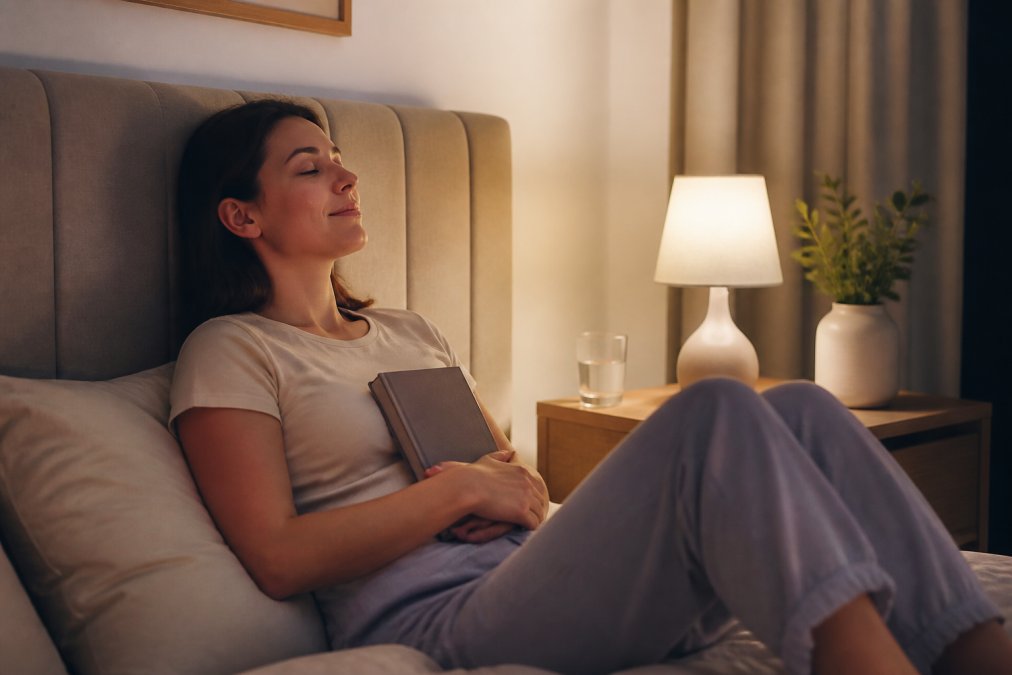
A structured night-time routine signals to your body that eating time is over. This might include a specific time when you stop eating, a wind-down activity that replaces eating, and a clear transition into sleep preparation. The routine itself becomes a cue that overrides emotional urges, your brain recognizes the pattern and settles into it.
Remove temptation from your environment. If processed foods aren't visible or accessible, you won't eat them when cravings hit. Stock your kitchen with foods that support your goals and remove foods that trigger binges. This isn't deprivation, it's removing the friction between impulse and action.
Distraction techniques work because cravings typically peak for 10-15 minutes, then fade. If you can occupy yourself with something engaging during that window, the urge passes. This might be a hobby, a phone call, a warm bath, or gentle movement. The key is choosing something that addresses the underlying need, if you're seeking comfort, a bath works better than scrolling; if you're seeking stimulation, a hobby works better than a warm drink.
Sensory replacement activities are underrated tools. If you're craving the sensory experience of eating, the taste, texture, temperature, you can satisfy that without food. A strong peppermint tea, a piece of gum, or even a piece of ice provides oral stimulation. A warm bath addresses the comfort-seeking need. A weighted blanket addresses the soothing need. Match the replacement activity to the underlying need.
Consider adding J. Paulo Slumber Soap ($14.99) to your wind-down routine. A warm shower with a calming, sleep-inducing bar soap signals to your body that it's time to transition toward sleep, removing the evening hours when cravings typically strike.
Build accountability into your routine. This might be a check-in text with a friend, a note in your journal, or a simple tracking system. Accountability doesn't mean shame, it means creating a gentle external structure that supports your intention when willpower is low.
Stopping emotional eating at night requires addressing both the emotional and physiological components. Your stress needs management, your blood sugar needs stabilization, your sleep needs protection, and your evening environment needs design. Willpower alone won't work because you're fighting genuine neurochemistry, but the right combination of strategies, supported by quality supplements from J. Paulo, creates real change. Start with identifying your triggers, then layer in one strategy at a time. Small, consistent changes compound into new patterns that eventually feel automatic.
Frequently Asked Questions
How can I distinguish between physical hunger and emotional eating at night?
Physical hunger builds gradually and responds to any food; emotional hunger hits suddenly and craves specific comfort foods. Ask yourself: Did I eat lunch less than 3 hours ago? Am I physically uncomfortable? If yes to both, you're likely experiencing emotional hunger. Keep a food diary for 3-5 days to spot patterns.
Why do I overeat when stressed, and how does this affect my sleep?
Stress triggers cortisol release, which increases appetite and cravings for high-calorie foods. Late-night eating disrupts blood sugar regulation, causing energy crashes that fragment sleep. Poor sleep then raises cortisol further, creating a vicious cycle. Breaking this pattern requires addressing stress management first, deep breathing, journaling, or a calming bedtime routine, before reaching for food. Quality sleep hygiene is equally critical to appetite control.
What role does gut health play in nighttime cravings?
Your gut microbiome influences appetite signaling and dopamine production. An imbalanced microbiome can amplify cravings and emotional eating patterns. Probiotic-rich foods and supplements that support digestive health help stabilize these signals. J. Paulo GLP-1 Support combines clinically studied botanicals and probiotics to support your body's natural appetite regulation and digestion, addressing both the emotional and physiological roots of nighttime eating.
How long does it take to break the emotional eating habit?
Most behavioral patterns shift noticeably within 2-3 weeks of consistent effort, though deeper habit rewiring takes 6-8 weeks. Start with one strategy, like journaling triggers or a 10-minute wind-down routine, rather than overhauling everything at once. Track your progress weekly. Many people see reduced cravings within days once they address sleep quality and stress management, especially when combined with appetite-supporting supplements like J. Paulo Appetite Balance & Weight Support Strips.
This article was written using GrandRanker