

How to Stop Constant Snacking: 7 Proven Strategies
Table of Contents
- How to Tell if You Are Actually Hungry vs. Eating Out of Habit
- Stabilize Blood Sugar to Reduce Cravings
- Build Your Snacking Strategy with High Protein Snacks for Satiety
- Stop Constant Snacking Through Environmental Control
- The Sleep and Stress Connection to Appetite
- Use Mindful Eating to Break the Snack Habit Loop
- Implement These 7 Actionable Steps This Week
Last Updated: August 13, 2026
How to Tell if You Are Actually Hungry vs. Eating Out of Habit
Most people conflate physical hunger with habit-driven eating, reaching for snacks without considering whether their body actually needs fuel.
Physical hunger builds gradually with specific signals: a rumbling stomach, low energy, difficulty concentrating, or mild irritability. Emotional or habitual hunger arrives suddenly and targets specific foods, often linked to boredom, stress, or visual triggers rather than genuine nutritional need.
A practical test: drink a glass of water and wait 15 minutes. True hunger persists; habit-driven cravings usually fade. If you're still thinking about snacking, examine what triggered the urge, stress, boredom, or environmental cues.

This awareness alone reduces constant snacking. Once you identify the difference, you're equipped to make intentional choices rather than automatic ones.
Stabilize Blood Sugar to Reduce Cravings
Blood sugar stability is foundational to controlling cravings. When blood glucose swings wildly, your body triggers intense hunger signals even if you've eaten recently, perpetuating a cycle of snacking, spiking, crashing, and snacking again.
Eating refined carbohydrates causes rapid blood glucose spikes. Your pancreas releases insulin to bring levels down. If the drop is steep, your body signals hunger, prompting you to eat again. Stable blood sugar eliminates this trap.
To stabilize blood glucose:
- Pair carbohydrates with protein and fat. Never eat carbs alone. A piece of fruit with almonds or whole-grain toast with peanut butter slows glucose absorption and prevents sharp spikes.
- Choose lower glycemic index foods. Oats, legumes, non-starchy vegetables, and whole grains release glucose slowly, keeping energy steady.
- Eat regular meals. Skipping breakfast or lunch creates a metabolic deficit that triggers aggressive snacking later.
- Limit processed snacks. Chips, cookies, and candy are engineered to spike blood sugar quickly, making them poor choices when stopping constant snacking.
When blood sugar remains stable, hunger hormones balance naturally. Ghrelin (the hunger hormone) drops, leptin (the satiety hormone) functions properly, and constant snacking urges diminish significantly. Many people report that simply stabilizing blood sugar reduces snacking urges by 40-50% within the first week.
Build Your Snacking Strategy with High Protein Snacks for Satiety
If you're going to snack, make those snacks count. High protein snacks are non-negotiable when stopping constant snacking. Protein increases satiety hormones, slows gastric emptying, and keeps you feeling full longer than carbohydrates or fat alone.

Protein requires more energy to digest, produces greater satiety, and stabilizes blood sugar better than other macronutrients. When you choose high protein snacks, you're actively reducing hunger hormones and extending the time until your next genuine hunger signal.
Practical high protein snacks include:
- Greek yogurt with berries (15-20g protein)
- Hard-boiled eggs (6g protein per egg)
- String cheese or cottage cheese (6-14g protein)
- Almonds or mixed nuts (6g protein per ounce)
- Protein powder mixed with water or milk (20-25g protein)
- Turkey or beef jerky (9-10g protein per ounce)
- Tuna or salmon (20g+ protein per can)
The key is intentionality. Prepare these snacks in advance, pre-portion nuts into containers, boil eggs on Sunday, or keep protein powder at your desk. When a snack urge hits, you have a high-satiety option ready rather than defaulting to low-protein alternatives.
Many people find that switching to high protein snacks eliminates the constant need to snack entirely. Because these foods keep you fuller longer, you naturally space out eating occasions and reduce total snacking frequency.
Stop Constant Snacking Through Environmental Control
Your environment shapes behavior far more than willpower does. If you want to stop constant snacking, redesign your physical space to make snacking friction-filled and healthy eating frictionless.
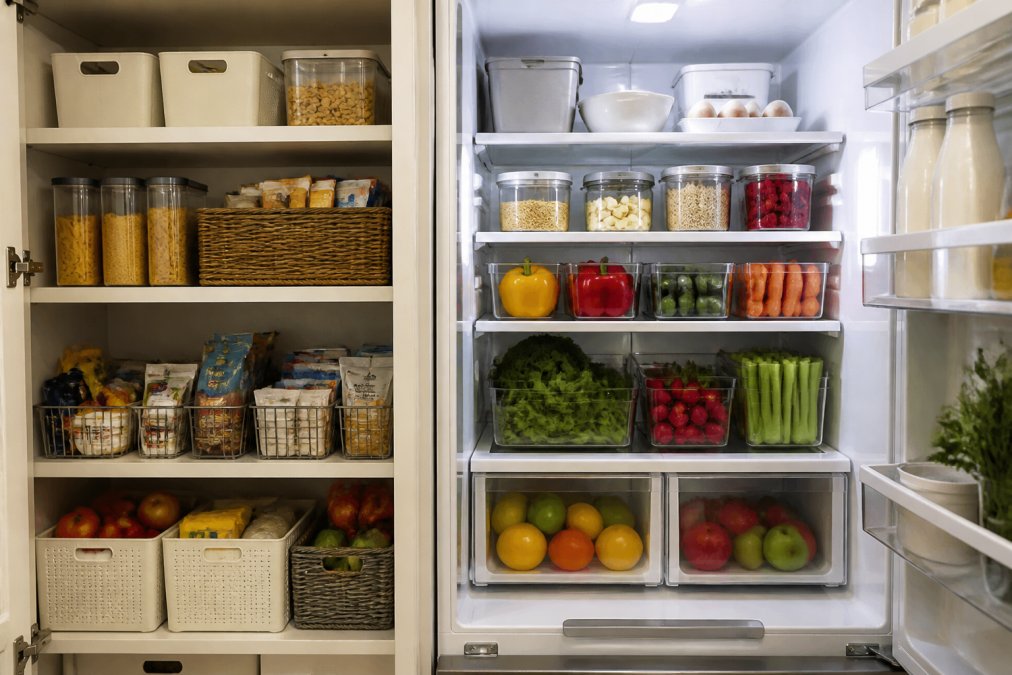
Visual triggers are powerful. Research shows that visible food increases consumption, often without conscious awareness. If chips are on the counter, you'll eat more chips. If vegetables are at eye level in the refrigerator, you'll eat more vegetables.
Implement these environmental changes immediately:
- Remove temptation from sight. Store processed snacks in opaque containers on high shelves. The extra friction breaks the automatic habit loop.
- Make healthy snacks visible and accessible. Place cut vegetables, fruit, and nuts at eye level in the refrigerator and on counters.
- Eliminate snacking locations. Eat only at a table, not at your desk, on the couch, or while working. This breaks the association between certain activities and eating.
- Batch prepare snacks. Spend 30 minutes on Sunday portioning nuts, cutting vegetables, and assembling snack boxes.
- Don't buy it if you can't control it. If certain foods trigger constant snacking, don't purchase them.
Environmental control works because it reduces decision fatigue. People who implement these changes consistently report that constant snacking drops by 50% or more within two weeks, often without feeling deprived.
The Sleep and Stress Connection to Appetite
Poor sleep and chronic stress are often invisible drivers of constant snacking. When sleep quality suffers or stress hormones remain elevated, your body increases hunger signals and decreases satiety signals, making snacking feel physically necessary.
Sleep deprivation increases ghrelin (hunger hormone) and decreases leptin (satiety hormone). A single night of poor sleep can increase hunger by 20-30%. Chronic sleep deficit impairs prefrontal cortex function, the brain region responsible for impulse control, making you more susceptible to snacking impulses.
Stress operates through cortisol. Elevated cortisol increases appetite, particularly for calorie-dense comfort foods. Chronic stress keeps cortisol elevated, creating a constant low-level hunger signal.
To address these factors:
- Prioritize 7-9 hours of sleep nightly. This reduces hunger hormones and improves impulse control.
- Establish a consistent sleep schedule. Going to bed and waking at the same time stabilizes circadian rhythm.
- Manage stress through non-food methods. Walking, breathing exercises, meditation, or time in nature reduce cortisol more effectively than snacking.
- Avoid caffeine after 2 PM. Caffeine disrupts sleep quality and can increase anxiety.
When sleep improves and stress decreases, constant snacking often resolves without other intervention.
Use Mindful Eating to Break the Snack Habit Loop
Mindful eating is the practice of bringing full awareness to eating, noticing flavors, textures, satiety cues, and emotional triggers without judgment. This simple shift breaks the automatic habit loop that drives constant snacking.
Most snacking happens on autopilot: a trigger (stress, boredom, time of day) leads to a behavior (snacking) that provides a reward (comfort, distraction). Breaking this loop requires inserting awareness.
Mindful eating practices:
- Pause before eating. When you feel the urge to snack, stop for 30 seconds. Notice the trigger. Are you physically hungry, or is something else driving the urge?
- Eat without distraction. Put the phone away, turn off screens, sit at a table. Taste your food and notice when satiety arrives.
- Practice the "pause and rate" method. Halfway through a snack, pause and rate your hunger on a 1-10 scale. Often you'll discover you're already satisfied but continue eating out of habit.
- Replace snacking with alternative behaviors. When you identify the true trigger (boredom, stress, procrastination), address it directly. Walk, call a friend, do pushups, or take three deep breaths.
Mindful eating doesn't require perfection. Even practicing it for one snack per day creates awareness that compounds. Over time, you notice patterns, anticipate triggers, and choose responses intentionally rather than automatically.
Implement These 7 Actionable Steps This Week
Step 1: Track for three days. Without changing behavior, log every snack, the time, your hunger level (1-10), and what triggered the urge.
Step 2: Identify your primary trigger. From your tracking data, what's the most common snacking trigger? Address this first.
Step 3: Stabilize breakfast and lunch. Build these meals around protein, healthy fat, and vegetables. Skip refined carbohydrates.
Step 4: Prepare three high protein snacks. Choose three options from the list above and prep them this weekend.
Step 5: Redesign one snacking location. Remove snacks from your most common snacking spot and place them in another room.
Step 6: Set a sleep goal. Commit to 7-9 hours for one week and track how your snacking urges change.
Step 7: When a snack urge hits, pause for 30 seconds. Ask yourself: "Am I physically hungry, or is something else happening?" Act based on the answer.
These seven steps address the physiological, environmental, and behavioral drivers of constant snacking simultaneously. Most people see measurable improvement within 3-5 days.
Many people discover that combining these approaches with a high-quality supplement designed for appetite balance and weight support accelerates results. J. Paulo's Appetite Balance & Weight Support Strips provide convenient support alongside these behavioral changes, combining research-backed ingredients to help maintain satiety and reduce snacking urges throughout the day. When paired with the strategies above, they address both the biological and behavioral components of constant snacking.

For those managing appetite changes or seeking additional digestive support, J. Paulo GLP-1 Support offers complementary support for maintaining steady nutrient intake and digestive comfort. And if you're building a snacking strategy around high protein snacks for satiety, J. Paulo Performance Whey Protein Blend (available in vanilla and chocolate) provides 22g of quality whey protein per serving, ideal for creating satisfying snacks that keep you fuller longer.
Stopping constant snacking requires addressing the physiological hunger signals, environmental triggers, and behavioral habits that drive it. Sleep better, stabilize blood sugar, prepare high protein snacks, redesign your environment, and practice awareness. Within days, the constant urge to snack diminishes. Within weeks, it disappears. You'll find yourself eating when genuinely hungry, enjoying food more, and feeling more in control of your choices.
Frequently Asked Questions
How do I know if I'm actually hungry or just bored?
True hunger builds gradually and affects your whole body, you feel it in your stomach, not just your mind. Boredom eating strikes suddenly and targets specific foods. Ask yourself: Did I eat 2-3 hours ago? Am I thirsty? Would an apple satisfy me, or do I want pizza specifically? If you'd eat an apple, you're hungry. If you're fixated on one snack, it's likely emotional or habitual. Keep a hunger log for 3 days to identify your personal patterns.
What are the best high protein snacks for satiety?
Protein triggers satiety hormones and stabilizes blood sugar. Best options: Greek yogurt (15-20g protein), hard-boiled eggs, cheese, almonds, or a protein shake. J. Paulo Performance Whey Protein Blend delivers 22g of protein per serving, making it ideal for post-snack recovery and appetite control. Pair any protein with fiber (berries, vegetables) for maximum satiety. Aim for 10-15g protein per snack to suppress hunger hormones like ghrelin for 2-3 hours.
Why does my sleep affect how much I snack?
Poor sleep disrupts hunger hormones: ghrelin (appetite) increases while leptin (fullness signal) drops. One night of poor sleep can increase snacking urges by 30-40%. Sleep deprivation also triggers cortisol spikes, which drive cravings for high-calorie foods. Aim for 7-9 hours nightly. If you struggle with sleep quality, consistent bedtime routines and limiting screens 1 hour before bed make measurable differences in snacking behavior the next day.
How long before I stop craving constant snacks?
The habit loop typically breaks within 2-3 weeks of consistent behavioral change. Blood sugar stabilization shows results in 5-7 days. However, psychological cravings (boredom, stress) take longer, expect 4-6 weeks for new patterns to feel automatic. Start with one strategy (like removing visual triggers) rather than overhauling everything at once. J. Paulo Appetite Balance & Weight Support Strips provide additional support during this transition period, helping manage the physiological aspect while you rebuild habits.
This article was written using GrandRanker