

How to Buy Pure Wellness Supplements Online
Table of Contents
- Understand FDA Supplement Regulations and What They Mean for You
- Verify Third-Party Tested Supplements Before Purchasing
- Identify and Avoid Counterfeit Health Products Online
- Read Supplement Labels and Verify Ingredient Quality
- Check for Supplement Interactions and Safety Before Buying
- Compare Pure Wellness Supplement Options That Deliver Results
- Conclusion
Last Updated: August 16, 2026
Understand FDA Supplement Regulations and What They Mean for You
The FDA regulates dietary supplements differently than prescription medications. Unlike drugs, which must prove safety and efficacy before reaching the market, supplements are presumed safe unless the FDA receives credible evidence otherwise. This distinction matters when buying pure wellness supplements online because you cannot rely on FDA approval as your only quality indicator.
The Dietary Supplement Health and Education Act (DSHEA) of 1994 established the regulatory framework governing how supplements are manufactured, labeled, and sold. Manufacturers are responsible for ensuring their products are safe and that label claims are accurate and substantiated. However, the FDA does not pre-approve supplement formulations the way it does medications, placing the burden of verification on you as the consumer.
When you buy pure wellness supplements, you're relying on the manufacturer's integrity and third-party verification rather than government pre-market approval. Reputable brands invest in testing and certifications to demonstrate their commitment to safety and potency. J. Paulo, for example, manufactures all supplements in the United States under strict quality standards, ensuring that what's on the label matches what's in the bottle.
The FDA can take action against unsafe supplements after they reach the market, but this reactive approach means problematic products can circulate before being identified. Understanding these regulations helps you distinguish between brands that cut corners and those that go beyond minimum legal requirements.
FDA's official guidance on dietary supplement regulations
Verify Third-Party Tested Supplements Before Purchasing
Third-party testing is your most reliable assurance that a supplement actually contains what the label claims. When you buy pure wellness supplements online, independent lab verification removes the conflict of interest that exists when manufacturers test their own products.
What Third-Party Testing Actually Proves
Third-party testing confirms three critical factors: identity (the supplement contains the claimed ingredient), purity (it's free from contaminants), and potency (it contains the claimed amount of active ingredient). A reputable lab will test for heavy metals, microbial contamination, allergens, and other substances that could compromise safety or efficacy.
The testing process involves sending product samples to an independent laboratory with no financial relationship with the manufacturer. The lab analyzes the samples against established standards and provides a certificate of analysis. This certificate is the proof you need when evaluating whether to buy pure wellness supplements from any brand.
Testing has revealed that some supplements contain undisclosed ingredients, incorrect dosages, or harmful contaminants. Brands that invest in third-party testing are demonstrating transparency and confidence in their formulations. J. Paulo's rigorously tested supplements come with verification of their quality standards, giving you concrete assurance rather than empty promises.

Which Certifications Matter Most
NSF International is one of the most recognized testing organizations, offering NSF Certified for Sport and NSF Certified for Dietary Supplements. Products bearing the NSF mark have been tested for banned substances and verified for label accuracy.
USP (United States Pharmacopeia) provides another trusted certification. USP Verified supplements have been tested for strength, purity, and consistency. The USP mark indicates that the product meets standards for manufacturing quality and contains the ingredients listed on the label in the amounts claimed.
ConsumerLab conducts independent testing and publishes detailed test results. While ConsumerLab doesn't issue a certification mark like NSF or USP, their published reports provide transparency about which products pass testing and which fail.
When you evaluate supplements, look for these certifications or evidence of third-party testing. A brand that displays testing results or certifications is signaling that they have nothing to hide. Conversely, brands that make no mention of testing should raise red flags.
| Certification | What It Verifies | Best For |
|---|---|---|
| NSF Certified | Purity, banned substances, label accuracy | Athletes, competitive individuals |
| USP Verified | Strength, purity, manufacturing consistency | General wellness, dietary supplements |
| ConsumerLab | Ingredient identity, potency, contaminants | Detailed transparency, independent verification |
Identify and Avoid Counterfeit Health Products Online
Counterfeit supplements represent a growing problem in the online marketplace. These fake products range from diluted formulas containing less active ingredient than claimed to dangerous products spiked with undisclosed pharmaceutical drugs. When you buy pure wellness supplements online, the risk of encountering counterfeits increases if you shop on unverified platforms or unfamiliar websites.
Red Flags That Signal a Fake or Low-Quality Supplement
Unrealistically low prices often indicate counterfeit products or formulas cut with cheap fillers. Legitimate manufacturers with quality standards, third-party testing, and US manufacturing cannot compete on price alone.
Poor label design and printing quality suggest manufacturing shortcuts. Legitimate brands invest in professional labeling that clearly lists all ingredients, their amounts, and relevant certifications. Labels with misspellings, vague ingredient lists, or missing information are warning signs. Ingredients listed as "proprietary blends" without individual amounts hide cheap ingredients or inadequate dosages.
Lack of contact information or a physical address is suspicious. Legitimate companies provide ways to reach customer service and typically list their manufacturing facility location. Unsubstantiated health claims are a legal violation and a practical warning sign. If a supplement claims to "cure" a disease or "treat" a medical condition, it's making pharmaceutical claims that violate FDA regulations.
Sellers on unauthorized third-party platforms are common sources of counterfeits. Buying directly from the manufacturer's official website eliminates this middleman risk. J. Paulo sells exclusively through its official site, ensuring you receive authentic products manufactured to their standards.
Where to Buy Pure Wellness Supplements Safely
The safest place to buy pure wellness supplements is directly from the manufacturer's official website. This eliminates counterfeit risk and ensures you receive products stored and handled properly. Official websites also display certifications, testing results, and detailed ingredient information upfront.
Authorized retailers are your second-best option. Check the manufacturer's website for a list of authorized sellers. Avoid marketplace platforms that allow third-party sellers without verification. The convenience of marketplace shopping isn't worth the potential for counterfeit or degraded products.
When shopping online, verify the website's security by looking for "https://" in the URL and a padlock icon in your browser's address bar. Check for clear return policies and customer service contact information. Legitimate companies stand behind their products and make returns easy.
FDA's warning about counterfeit dietary supplements
Read Supplement Labels and Verify Ingredient Quality
Your supplement label is a legal document that communicates everything you need to know about the product's contents, dosage, and safety. Learning to read labels properly transforms you from a passive consumer into an informed buyer.
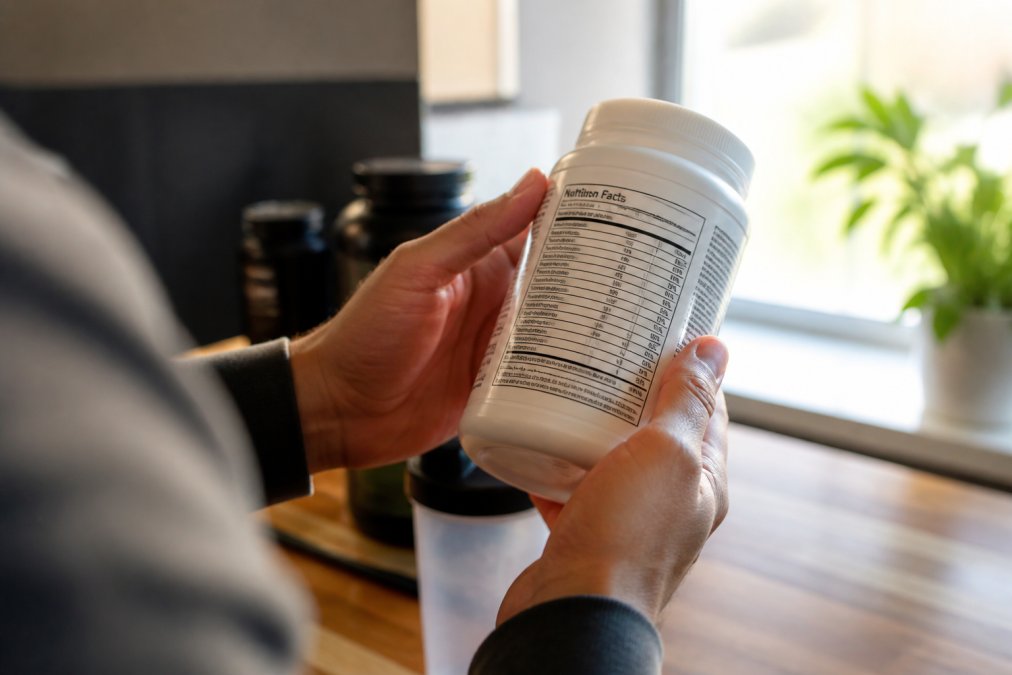
The "Supplement Facts" panel lists each ingredient, its amount per serving, and the serving size. Pay attention to serving size first, some products list inflated serving sizes to make dosages appear larger than they actually are.
Ingredient order matters. Ingredients are listed by weight, from highest to lowest. If an expensive active ingredient appears near the end of the list, the product contains minimal amounts of it. The ingredient you're buying the supplement for should appear early in the list in a meaningful quantity.
Fillers and additives deserve scrutiny. Common fillers like microcrystalline cellulose, maltodextrin, and magnesium stearate are generally safe but add no benefit. J. Paulo's commitment to avoiding cheap fillers means you're paying for active ingredients, not padding.

Look for "Other Ingredients" or "Inactive Ingredients" sections. These list binders, capsule materials, and preservatives. Some people have sensitivities to common additives like soy, gluten, or artificial colors. The label should clearly state the form of each ingredient. For example, vitamin D3 is more bioavailable than vitamin D2. Magnesium glycinate is absorbed differently than magnesium oxide. These distinctions affect how well your body utilizes the supplement.
Expiration dates and batch numbers should be clearly printed. Supplements degrade over time, especially if exposed to heat or moisture. A visible expiration date shows the manufacturer tested shelf stability.
Check for Supplement Interactions and Safety Before Buying
Before you buy pure wellness supplements, understand how they interact with medications, other supplements, and your existing health conditions. Supplements can amplify or reduce medication effectiveness, and some combinations create genuine safety risks.

Common supplement-drug interactions include blood thinners combined with high-dose vitamin E or omega-3 supplements, which can increase bleeding risk. Certain herbs like St. John's Wort reduce the effectiveness of birth control pills and some antidepressants. Calcium supplements can interfere with antibiotic absorption if taken simultaneously.
Start by listing all medications and supplements you currently take. Then research each supplement you're considering against this list. The NIH's dietary supplement database provides interaction information for thousands of supplements.
Consult your healthcare provider or pharmacist before adding supplements to your regimen. This conversation is especially important if you take prescription medications, have chronic health conditions, or are pregnant or breastfeeding. Your pharmacist has access to comprehensive drug-supplement interaction databases and can identify risks you might miss.
Some supplements should not be combined. High-dose vitamin A and vitamin D together can cause toxicity. Multiple iron supplements or calcium supplements taken simultaneously reduce absorption. Timing matters. Some supplements must be taken with food, others on an empty stomach. J. Paulo's products include clear guidance on timing and potential interactions, helping you integrate them safely into your routine.

Document your supplement use. Keep a list of what you're taking, in what amounts, and when. If you experience unexpected symptoms or side effects, this documentation helps your healthcare provider identify the cause.
Compare Pure Wellness Supplement Options That Deliver Results
When you're ready to buy pure wellness supplements online, comparing your options helps you invest in products that actually address your goals. The market offers thousands of supplements, but most fall into clear categories based on intended benefit.
For appetite balance and weight support, look for supplements containing ingredients with research supporting their function. J. Paulo's Appetite Balance & Weight Support Strips ($26.49) combine multiple ingredients designed to work synergistically. These strips dissolve on the tongue, offering convenience that traditional capsules don't provide.
Multivitamins form the foundation of most supplement routines. J. Paulo's Complete Multivitamin ($15.49) delivers essential vitamins and minerals in a single daily dose, simplifying your routine and reducing the number of pills you need to take.
For those focused on vitality and longevity, NMN supplements support cellular energy production. J. Paulo's NMN product ($18.49) provides 500 mg of ß-Nicotinamide Mononucleotide at 99.9% purity, a specification that matters because impure NMN contains ineffective compounds.
Herbal supplements offer targeted support using traditional ingredients. J. Paulo's Moringa Pure ($18.49) delivers concentrated moringa oleifera, a nutrient-dense plant used for generations in traditional wellness practices.
When comparing options, evaluate ingredient quality and form, third-party testing verification, manufacturing standards, price relative to ingredient quality, and alignment with your specific wellness goals. Don't choose based on price alone.
| Supplement Type | Best For | Key Consideration |
|---|---|---|
| Complete Multivitamin | General nutrition gaps | Daily convenience, comprehensive coverage |
| Appetite & Weight Support | Weight management goals | Synergistic ingredient combinations |
| NMN (NAD+ Support) | Cellular energy, longevity | Purity percentage and form |
| Herbal Extracts | Targeted wellness support | Traditional use and modern research alignment |
Buying pure wellness supplements online requires understanding FDA regulations, verifying third-party testing, identifying counterfeits, reading labels carefully, and checking for interactions. These steps transform you from a passive consumer into an informed buyer who makes decisions based on evidence rather than marketing.
J. Paulo simplifies this process by handling the verification work for you. Every product is US-manufactured, rigorously tested, and formulated without cheap fillers. When you buy pure wellness supplements from J. Paulo, you're investing in products that deliver real results you can feel. Start with the J. Paulo Complete Multivitamin as your foundation, then add targeted supplements based on your specific wellness goals. Your body deserves supplements that meet the highest standards, not just the lowest price.
Frequently Asked Questions
How can I verify the purity of wellness supplements before buying online?
Check for third-party tested supplements from recognized certifiers like NSF International, USP, or ConsumerLab. Look for their seal on the label or visit the certifier's website to confirm the product passed testing. Review the supplement facts label for ingredient transparency, batch numbers, and manufacturing dates. Purchase only from official brand websites or authorized retailers to reduce counterfeit risk. Request a certificate of analysis from the seller if not publicly available, legitimate manufacturers provide this documentation.
What certifications should I look for on supplement labels?
Seek NSF Certified for Sport, USP Verified, ConsumerLab Approved, or Informed Choice certifications, these indicate third-party testing for purity, potency, and contaminants. Non-GMO Project Verified confirms non-GMO status. USDA Organic certification ensures organic ingredient sourcing. GMP (Good Manufacturing Practice) certification shows the facility meets quality standards. Therapeutic-grade labels indicate higher potency standards. US-manufactured products from facilities that follow FDA guidelines offer additional assurance. Check the certifier's website directly to confirm the product's certification status.
Are online supplement retailers regulated by the FDA?
The FDA regulates dietary supplements under the Dietary Supplement Health and Education Act (DSHEA), but oversight differs from prescription drugs. Manufacturers must ensure products are safe and accurately labeled before sale, but the FDA does not pre-approve supplements. The FDA can take action against unsafe products or false claims after they're on the market. Online retailers must comply with these regulations, but enforcement varies. Buying from retailers who follow FDA guidelines and source from GMP-certified manufacturers reduces risk. Check if the retailer's website includes FDA compliance statements and contact information for accountability.
What are the risks of buying supplements from unauthorized online marketplaces?
Unauthorized marketplaces often sell counterfeit, expired, or contaminated supplements with no quality assurance. Products may contain undisclosed ingredients, incorrect potencies, or harmful fillers. You lose manufacturer warranty and return protection. Counterfeit supplements can trigger adverse reactions or interact dangerously with medications. Data breaches on unvetted platforms expose personal and payment information. Purchase directly from official brand websites, authorized retailers, or verified marketplaces with seller ratings and buyer protection policies. Verify the retailer's address, contact information, and return policy before checkout.
This article was written using GrandRanker