

Sports Research Digestive Enzyme Alternatives
Table of Contents
- What Are Digestive Enzyme Alternatives?
- Probiotics vs Digestive Enzymes: Key Differences
- Best Digestive Enzyme Supplements and Their Competitors
- Natural Ways to Improve Digestion Without Supplements
- How Digestive Enzymes Work vs Alternative Approaches
- Signs You May Need Digestive Support
- Medication Interactions and Long-Term Dependency Concerns
- Choosing the Right Digestive Support for Your Needs
Last Updated: August 15, 2026
What Are Digestive Enzyme Alternatives?
Digestive enzyme alternatives are substances and approaches that support the body's natural ability to break down food and absorb nutrients, functioning as options beyond traditional enzyme supplements. These range from probiotics and plant-based formulas to lifestyle changes and enzyme-rich foods. Understanding which approach fits your situation is critical.
The term covers a broad landscape: probiotics work through different mechanisms than enzymes themselves, while enzyme-rich whole foods like pineapple, papaya, and ginger provide direct enzymatic support. What matters is matching the right approach to your actual digestive challenge, not just grabbing whatever sounds promising.
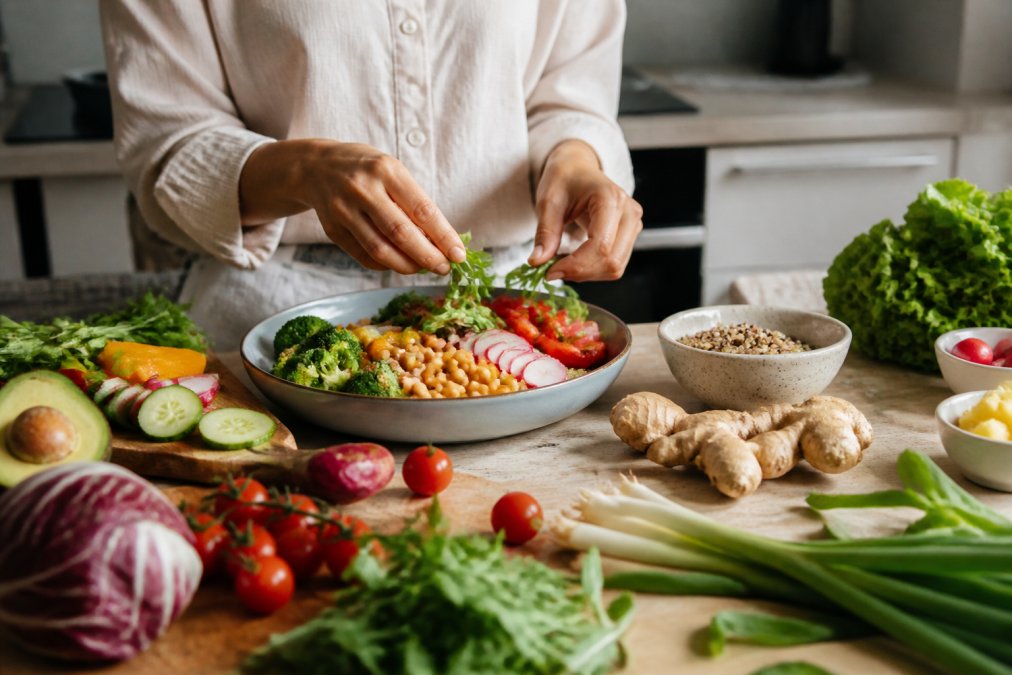
Probiotics vs Digestive Enzymes: Key Differences
While probiotics and digestive enzymes both support gut health, they operate through completely different mechanisms. Probiotics are live beneficial bacteria that colonize your digestive tract and influence the microbial ecosystem. Digestive enzymes are proteins that break down specific macronutrients into smaller molecules your body can absorb. One rebuilds your gut environment; the other accelerates nutrient breakdown.
The key distinction comes down to what's actually limiting your digestion. If your gut microbiome is depleted, common after antibiotic use, probiotics address the root issue by repopulating beneficial bacteria. These microbes produce short-chain fatty acids that support intestinal health and influence nutrient absorption. If your pancreas isn't producing enough lipase to break down dietary fat, or your stomach isn't producing adequate pepsin for protein digestion, enzymes directly address that deficiency.
Probiotics take time to establish themselves, you're looking for gradual restoration of microbial diversity over weeks. Enzyme supplements work immediately, beginning to break down food the moment they contact your meal. This temporal difference matters when deciding what to take and when to expect results.
Best Digestive Enzyme Supplements and Their Competitors
The market for digestive enzyme alternatives includes several distinct categories. Some formulas focus purely on enzyme activity. Others combine enzymes with probiotics and botanical support. Understanding these categories helps you identify which type matches your actual need.
JPaulo GLP-1 Support: Comprehensive Digestive Formula
JPaulo GLP-1 Support combines multiple pathways rather than relying on enzymes alone. This formula integrates digestive enzymes with probiotics, botanical extracts, and micronutrient support, addressing the reality that digestive challenges rarely have a single cause.
The formula includes bromelain from pineapple stem and DigeZyme, a proprietary enzyme blend designed to support macronutrient breakdown. Simultaneously, LactoSpore provides Bacillus coagulans, a spore-forming probiotic that survives stomach acid and colonizes the lower digestive tract. This dual approach addresses both immediate nutrient breakdown and longer-term microbial balance.
What distinguishes this formula is the addition of magnesium, ginger extract, and peppermint, ingredients that support gastrointestinal comfort and normal digestive function independent of enzyme activity. Ginger has been used traditionally for digestive support, while peppermint extract promotes smooth muscle relaxation in the digestive tract.
The formula also includes methylated B vitamins and bioactive nutrients like vitamin D3, zinc, and iron. For people managing appetite changes or dietary modifications, maintaining consistent micronutrient intake becomes critical. At $36.95, JPaulo GLP-1 Support positions itself as a premium option that combines multiple mechanisms rather than betting everything on enzymes alone.
Plant-Based Enzyme Options
Plant-based enzyme formulas derive their enzymatic activity from fruits, vegetables, and fermented sources rather than animal-derived enzymes. Bromelain from pineapple, papain from papaya, and fungal enzymes from fermentation all fall into this category. These alternatives appeal to vegans, people with sensitivities to animal products, and those seeking whole-food-derived support.
Plant-based enzymes offer genuine advantages. Bromelain and papain have been studied for their ability to support protein digestion and gastrointestinal comfort. These enzymes work across a broader pH range than some animal-derived alternatives, remaining active throughout different sections of your digestive tract.
The trade-off is predictability and concentration. Animal-derived enzymes like pancreatin provide standardized enzyme units. Plant-based sources vary more in potency depending on growing conditions and extraction methods. This doesn't make them inferior, it makes them less standardized. If you need precise enzyme dosing for a specific condition, this matters. If you're seeking general digestive support and prefer plant-derived sources, the variability is usually irrelevant.
Natural Ways to Improve Digestion Without Supplements
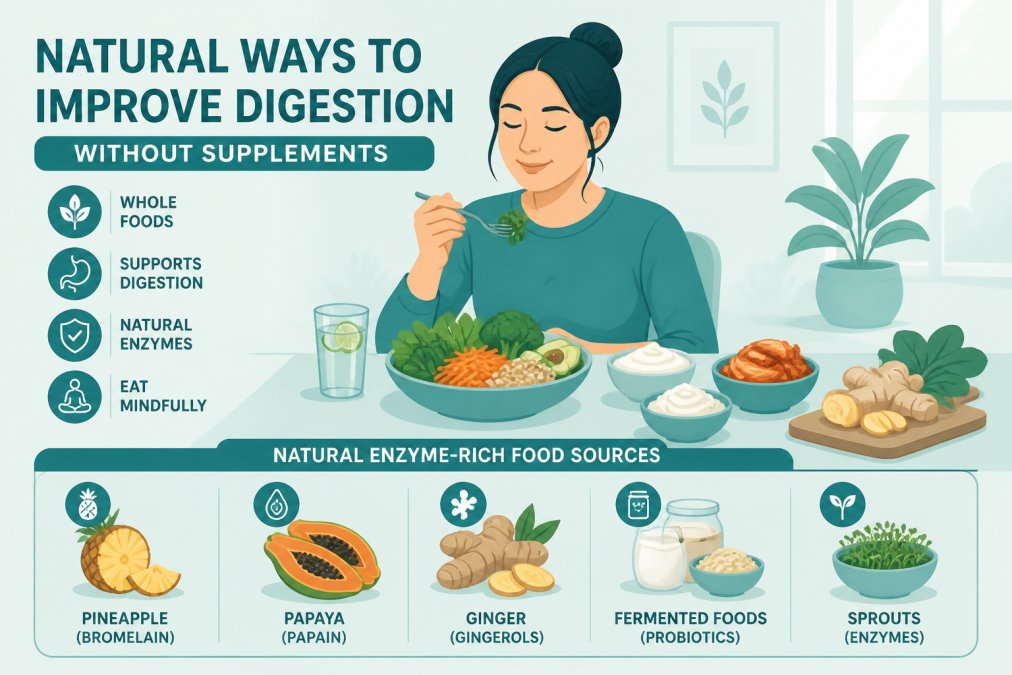
The most underrated approach to digestive support involves no supplements at all. Eating enzyme-rich whole foods, managing meal timing, and supporting your digestive system through lifestyle choices can resolve many common digestive challenges.
Enzyme-rich foods work immediately when consumed. Pineapple contains bromelain; papaya contains papain; ginger contains proteases and lipases. Fermented foods like sauerkraut, kimchi, and miso introduce both enzymes and beneficial bacteria simultaneously.
Meal composition and timing influence digestive enzyme production significantly. Eating slowly and thoroughly chewing your food initiates enzyme secretion in your mouth and stomach. Spacing meals appropriately allows your digestive system to complete one cycle before starting another.
Hydration supports enzyme activity directly. Digestive enzymes function in aqueous environments. Insufficient water reduces enzyme efficiency.
Stress management influences digestive enzyme production through the nervous system. Your parasympathetic nervous system (activated during rest and digestion) upregulates enzyme secretion. Your sympathetic nervous system (activated during stress) downregulates it. Practices that activate parasympathetic tone, deep breathing, meditation, gentle movement, improve digestive function without supplementation.
How Digestive Enzymes Work vs Alternative Approaches
Understanding mechanism clarifies why different approaches suit different situations. Digestive enzymes are proteins that catalyze specific chemical reactions. Protease breaks peptide bonds in protein. Lipase breaks ester bonds in fat. Amylase breaks glycosidic bonds in carbohydrates. These reactions happen immediately, within minutes of the enzyme contacting the substrate.
Probiotics work through colonization and metabolic influence. When you consume probiotics, the bacterial cells must survive stomach acid and establish themselves in your colon. This process takes days to weeks. Once established, these bacteria produce metabolites like butyrate that influence intestinal permeability, immune function, and nutrient absorption.
Botanical approaches like ginger and peppermint work through multiple pathways. Ginger contains gingerols and shogaols that influence smooth muscle tone and reduce inflammation. Peppermint's menthol affects muscle relaxation. These effects appear within hours but develop more fully over days.
Dietary modifications work by reducing digestive system workload or providing raw materials your system needs. Eating enzyme-rich foods reduces the enzymatic burden on your pancreas. Consuming adequate fiber supports microbial diversity. These changes accumulate gradually over weeks.
This mechanistic understanding explains why combining approaches often works better than relying on a single strategy. Someone with enzyme deficiency benefits from enzyme supplementation immediately. If they also have a depleted microbiome, adding probiotics addresses that separately. If they're chronically stressed, stress management improves their baseline enzyme production.
Signs You May Need Digestive Support
Recognizing when your digestive system needs support guides you toward effective solutions. Bloating after meals, particularly after protein-rich or fatty foods, often indicates insufficient enzyme activity. If the bloating appears within an hour of eating and improves with movement, enzyme deficiency is likely involved.
Undigested food in your stool, visible pieces of vegetables or nuts, indicates inadequate macronutrient breakdown. This points directly to enzyme insufficiency.
Inconsistent bowel function, alternating between constipation and loose stools, often reflects microbial imbalance. A healthy microbiome produces metabolites that regulate bowel transit time. Probiotics address this; enzymes don't.
Nutrient deficiency symptoms, fatigue, brittle nails, hair loss, brain fog, despite adequate dietary intake suggest absorption problems. This could reflect enzyme insufficiency, microbial imbalance, or intestinal permeability issues.
Medication Interactions and Long-Term Dependency Concerns
Digestive enzymes don't create dependency in the pharmacological sense. They're proteins that catalyze reactions and then degrade. However, a legitimate concern exists: if you take supplemental enzymes for months without addressing underlying causes, you might mask a problem that worsens silently.
The real risk is this: you take enzymes, feel better, and never investigate why your pancreas wasn't producing sufficient enzymes. Maybe you have chronic pancreatitis. Maybe you have celiac disease damaging your intestinal lining. Taking enzymes indefinitely without addressing root causes means the underlying condition progresses while you feel temporarily better.
Medication interactions require honest assessment. Digestive enzymes themselves don't typically interact with medications significantly. However, improving nutrient absorption can influence how your body processes certain medications. If you're taking blood thinners, thyroid medications, or psychiatric medications that depend on specific absorption rates, discuss enzyme supplementation with your healthcare provider.
Probiotics present different interaction considerations. Certain probiotics can influence immune function. If you're immunocompromised or taking immunosuppressants, discuss probiotic supplementation specifically. Botanical ingredients like ginger can have mild blood-thinning effects at high doses.
The honest assessment: digestive enzyme alternatives are generally safe for most people. They're not addictive and can be used long-term without creating dependency. But using them to mask undiagnosed conditions is risky, not because the supplements are dangerous, but because the underlying condition continues untreated.
Choosing the Right Digestive Support for Your Needs
Selecting among digestive enzyme alternatives requires matching your actual situation to the right approach. Start with honest diagnosis of what's actually wrong.
If you have clear signs of enzyme insufficiency, undigested food in stool, bloating specifically after protein or fat, enzyme supplementation addresses your actual problem. JPaulo GLP-1 Support combines enzymatic activity with probiotic and botanical support, making it a comprehensive choice that addresses multiple potential contributors simultaneously.

If your digestive challenges appeared after antibiotic use, or you have inconsistent bowel function suggesting microbial imbalance, probiotics should be your primary focus. Enzymes won't rebuild your microbiome.
If your digestion worsens with stress, or you eat quickly without thoroughly chewing, lifestyle modifications come first. Supplements won't compensate for chronic stress or poor eating habits.
If you suspect food intolerance, elimination and reintroduction protocols matter more than supplements. Enzymes don't fix genuine intolerances.
If your situation involves multiple factors, enzyme deficiency, microbial imbalance, and poor eating habits, you need a multi-pronged approach. This is where comprehensive formulas like JPaulo GLP-1 Support make sense.
| Digestive Challenge | Primary Approach | Secondary Support | Timeline |
|---|---|---|---|
| Enzyme insufficiency | Enzyme supplementation | Enzyme-rich foods | Days to weeks |
| Microbial imbalance | Probiotics | Fermented foods | Weeks to months |
| Stress-related dysfunction | Stress management | Digestive herbs | Immediate to ongoing |
| Poor eating habits | Dietary modification | Mindful eating | Weeks to months |
| Multiple factors | Comprehensive formula | Lifestyle changes | Weeks to months |
The most effective approach combines immediate support with root cause resolution. If you need enzyme supplementation, use it. But simultaneously ask why you need it. If the answer is "I eat too fast," slow down. If the answer is "My pancreas doesn't produce enough," work with your healthcare provider on long-term management.
Digestive challenges don't have a one-size-fits-all solution. The right digestive enzyme alternative depends on what's actually limiting your digestion. JPaulo GLP-1 Support addresses multiple pathways simultaneously, combining digestive enzymes with probiotics, botanicals, and micronutrient support. This comprehensive approach recognizes that real digestive wellness requires more than a single mechanism. Start with honest assessment of your situation, then choose support that matches your actual needs. Get started with J. Paulo and experience the difference that rigorously tested, clean-label digestive support makes.
Frequently Asked Questions
What can I use instead of digestive enzymes?
Several alternatives support digestion without enzyme supplements. Probiotics like Bacillus coagulans help maintain healthy microbiota and support nutrient absorption. Natural approaches include eating enzyme-rich foods such as ginger, peppermint, and bromelain-containing pineapple. Dietary changes like eating slowly, chewing thoroughly, and consuming fermented foods can also improve digestive function. For comprehensive support, formulas like JPaulo GLP-1 Support combine probiotics, botanical extracts, and essential nutrients to address multiple aspects of digestive wellness without relying solely on enzymes.
How do probiotics compare to digestive enzymes for gut health?
Probiotics and digestive enzymes serve different functions. Digestive enzymes break down macronutrients (proteins, carbs, fats) into absorbable forms, while probiotics establish a healthy microbiome that supports overall gastrointestinal comfort and nutrient bioavailability. Probiotics like LactoSpore help maintain beneficial bacteria, which can reduce bloating and improve food tolerance. Many health-conscious adults benefit from combining both: enzymes for immediate nutrient breakdown and probiotics for long-term digestive balance. Your choice depends on whether you need acute digestive support or sustained gut health maintenance.
Are there side effects to taking digestive enzyme supplements?
Most people tolerate digestive enzymes well, but some experience mild side effects including bloating, cramping, or changes in bowel habits as the digestive system adjusts. Enzyme supplements may interact with certain medications, particularly blood thinners or diabetes medications. Iron-containing formulas require special care, especially around children. If you're on medications for blood pressure, cholesterol, or other conditions, consult your healthcare provider before starting any supplement. High-quality formulas like JPaulo GLP-1 Support are rigorously tested and US-manufactured to minimize adverse effects, but individual tolerance varies.
What should I look for in a digestive enzyme alternative?
Choose alternatives with documented ingredient quality, US manufacturing, and rigorous testing. Look for specific enzyme profiles like bromelain and papain for protein digestion, or microbial enzymes for broad macronutrient support. Verify that probiotics are included if you want microbiome support. Check for bioavailability enhancers like black pepper extract (BioPerine), which improves nutrient absorption. Avoid products with cheap fillers or artificial additives. Premium formulas like JPaulo GLP-1 Support combine digestive enzymes, probiotics, botanical extracts, and essential nutrients, delivering real results you can feel rather than marketing hype.
This article was written using GrandRanker